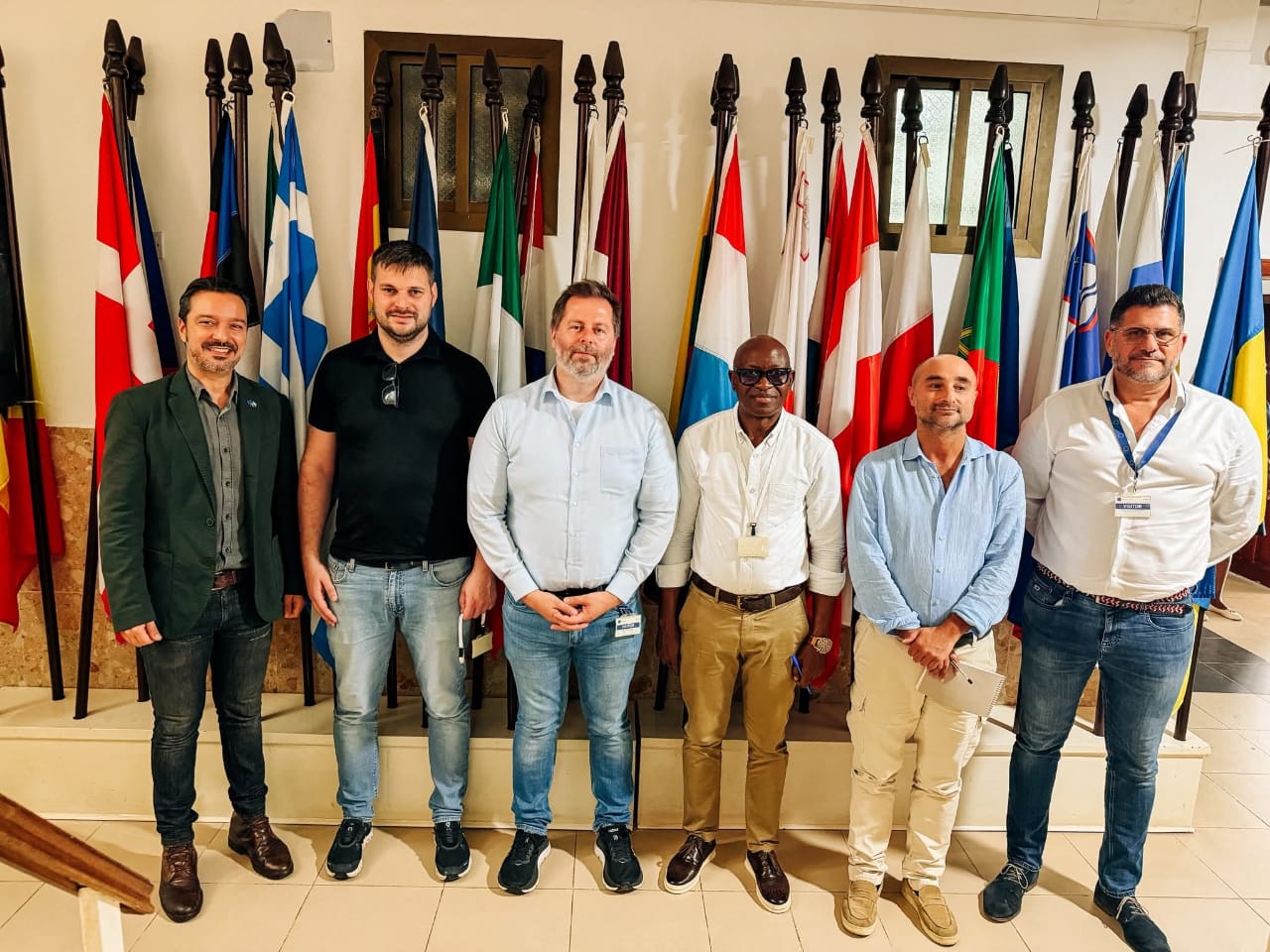
The Sierra Leone Chamber for Agribusiness Development (SLeCAD), in collaboration with European partners under the BIO-VET Project, recently hosted a high-level fact-finding mission aimed at exploring opportunities for cooperation in vocational education, agricultural innovation, entrepreneurship, and skills development in Sierra Leone.
The mission brought together a delegation of European experts representing institutions involved in education, innovation, agriculture, and entrepreneurship. The visit formed part of broader efforts to strengthen collaboration between European and African institutions while identifying practical pathways for supporting workforce development, youth employment, agribusiness growth, and sustainable economic transformation.
1st June (Day One)
Engagement with the Ministry of Agriculture and Food Security
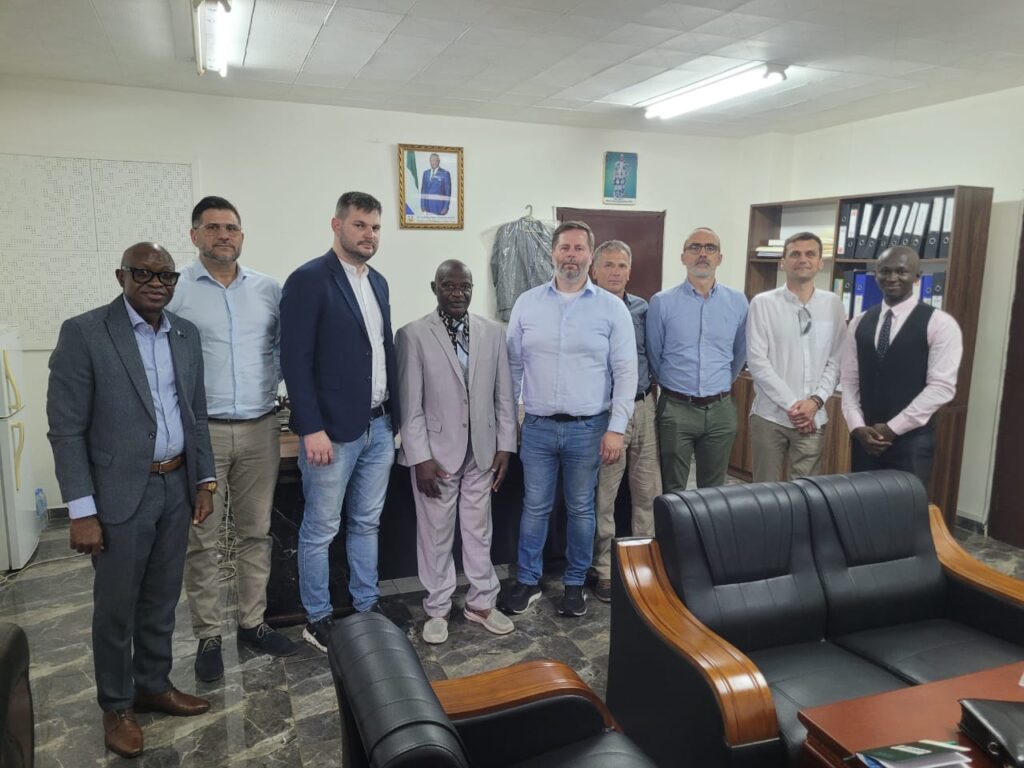
One of the mission’s key engagements was a strategic meeting with officials of the Ministry of Agriculture and Food Security. Discussions focused on Sierra Leone’s agricultural transformation agenda, opportunities within agricultural value chains, agribusiness development, youth participation in agriculture, and the critical role of skills development in improving productivity and competitiveness.
The Ministry emphasized the importance of strengthening partnerships that promote innovation, modern agricultural practices, value addition, and workforce readiness. Participants also explored opportunities for aligning vocational education and training programmes with the needs of the agricultural sector to support long-term economic growth and food security.
The engagement highlighted agriculture’s central role in Sierra Leone’s development agenda and reinforced the need for stronger collaboration between policymakers, educational institutions, development partners, and the private sector.
Visit to Milton Margai Technical University
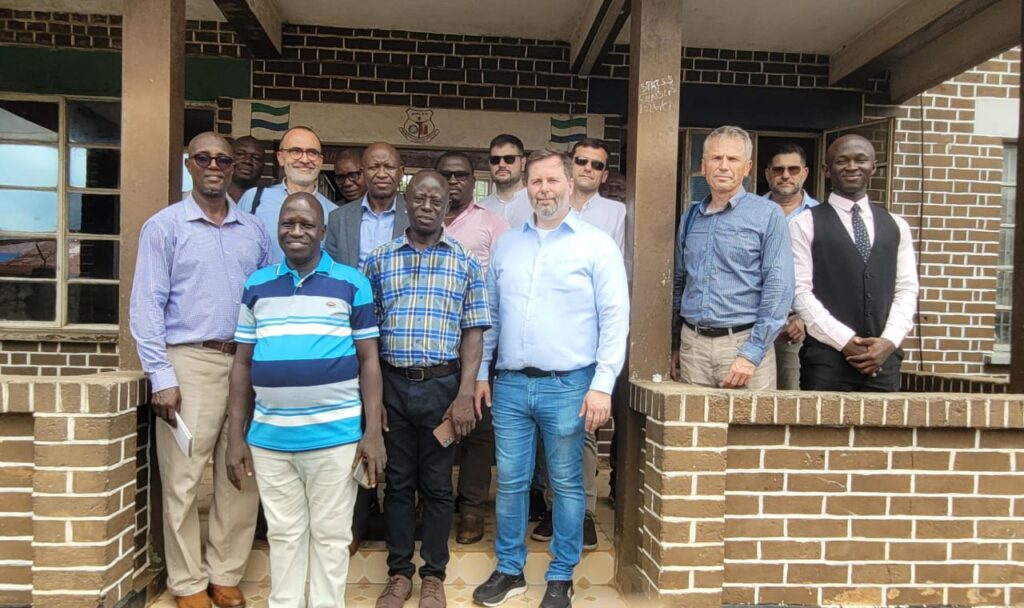
The delegation also visited Milton Margai Technical University, where they toured training workshops and interacted with faculty members, instructors, and students.
The visit provided firsthand insight into the university’s practical approach to Technical and Vocational Education and Training (TVET). Delegates observed training activities, explored workshop facilities, and discussed strategies for enhancing skills development, innovation, and entrepreneurship.
Touring the practical training facilities at Milton Margai Technical Univerisity as part of the BIO-VET fact-finding mission
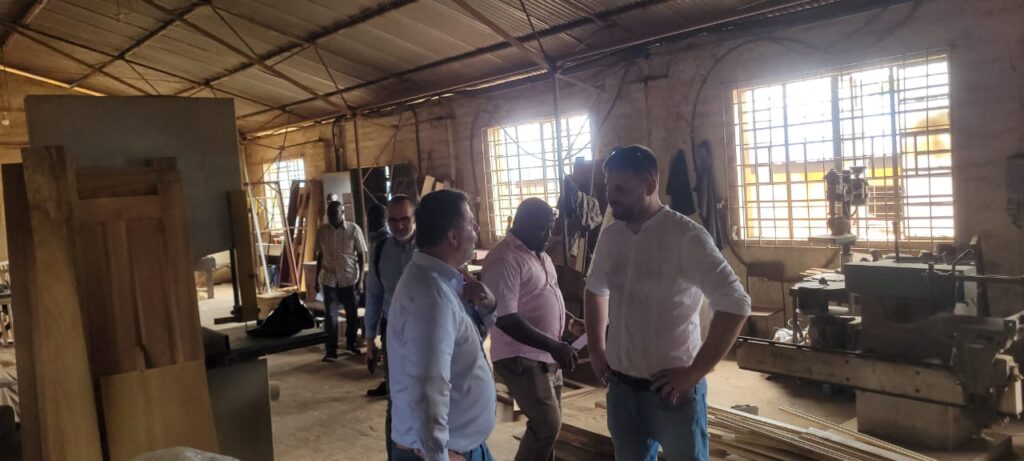
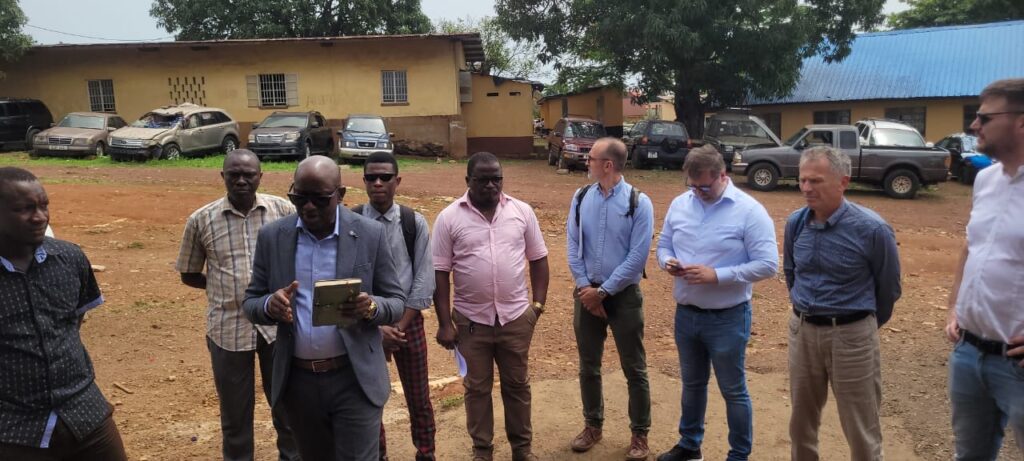
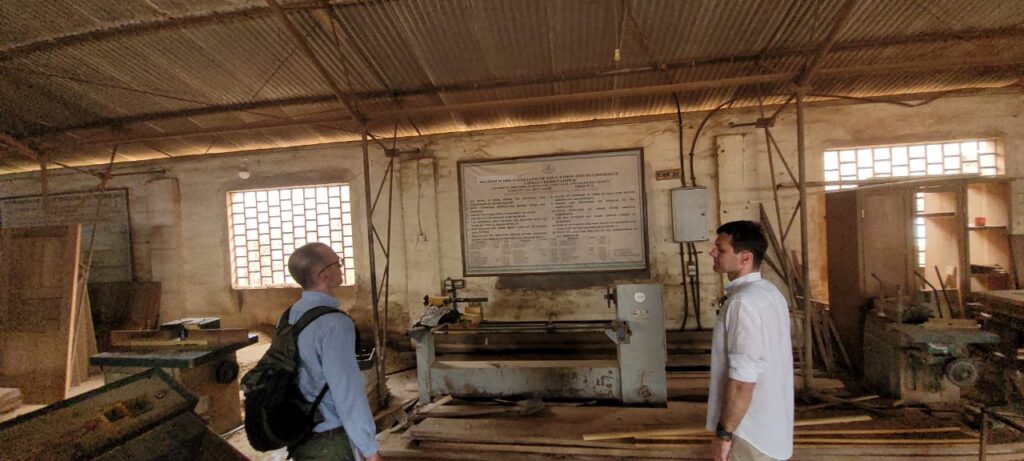
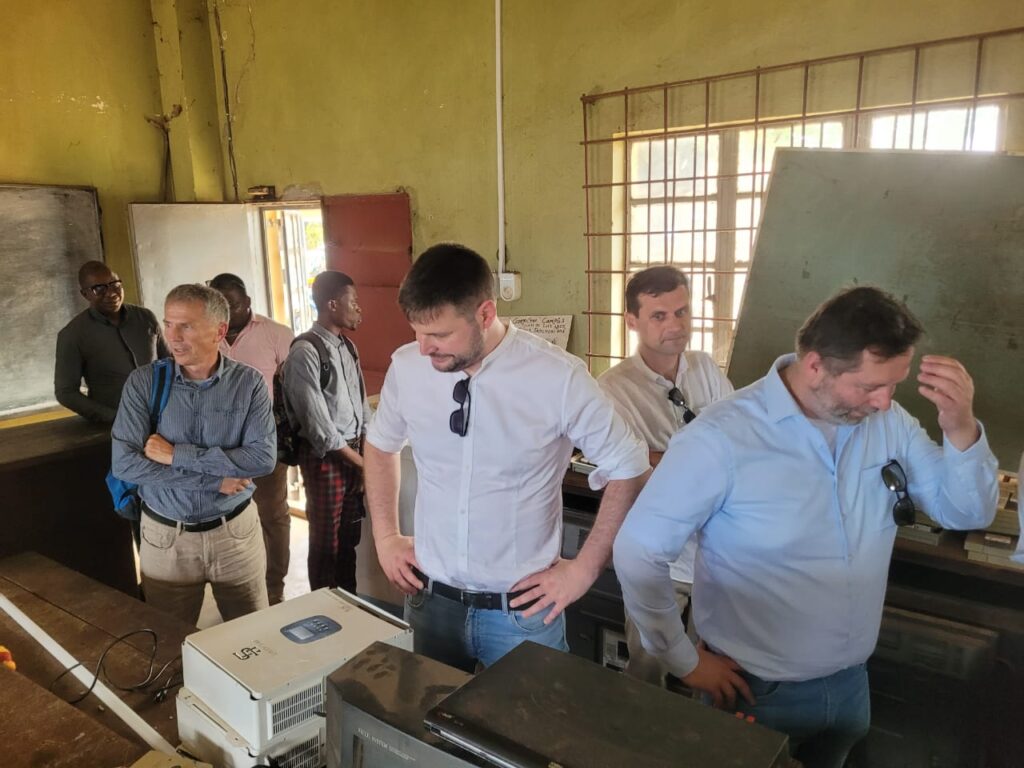
Faculty members explained the institution’s commitment to competency-based learning and highlighted the importance of practical training in preparing students for employment and self-employment opportunities. Discussions also explored opportunities for international partnerships, curriculum enhancement, faculty exchanges, and stronger collaboration between educational institutions and industry.
The visit reinforced the importance of practical, hands-on learning in equipping young people with the skills needed to succeed in an increasingly competitive labour market.
Stragegic Dialogue with the Ministry of Technical and Higher Education
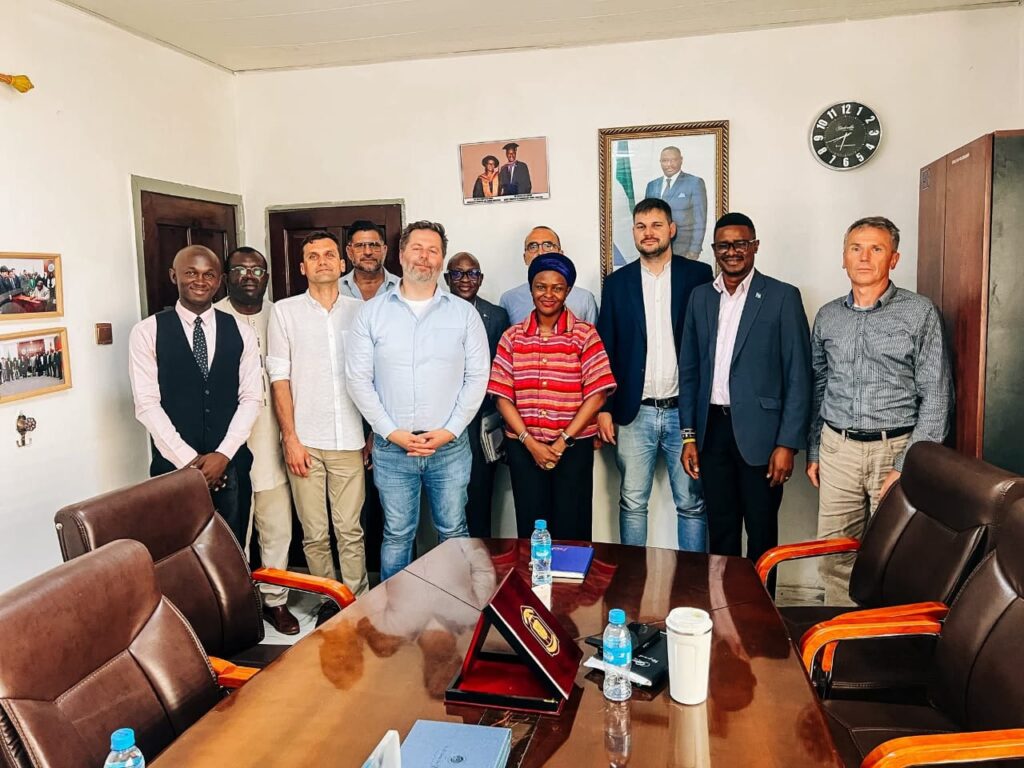
A major highlight of the mission was a high-level engagement with the Ministry of Technical and Higher Education led by Honourable Dr. Haja Ramatulai Wurie and senior ministry officials.
The meeting focused on the future of technical and higher education in Sierra Leone, with discussions centred on curriculum modernization, workforce development, entrepreneurship, innovation, and strengthening institutional partnerships.
Ministry officials outlined ongoing efforts to transform technical education through the Community Technical College model, which seeks to align training programmes with local economic activities and labour market demands. Agriculture, renewable energy, ICT, entrepreneurship, and other priority sectors were highlighted as areas where technical education can contribute significantly to national development.
The Ministry further emphasized the importance of industry participation in curriculum development and skills training to ensure that graduates possess competencies relevant to current and future labour market needs.
European partners shared experiences from successful entrepreneurship programmes implemented across universities in Europe, highlighting approaches that help students develop business ideas, strengthen entrepreneurial skills, and create pathways for innovation and job creation.
Meeting with GIZ
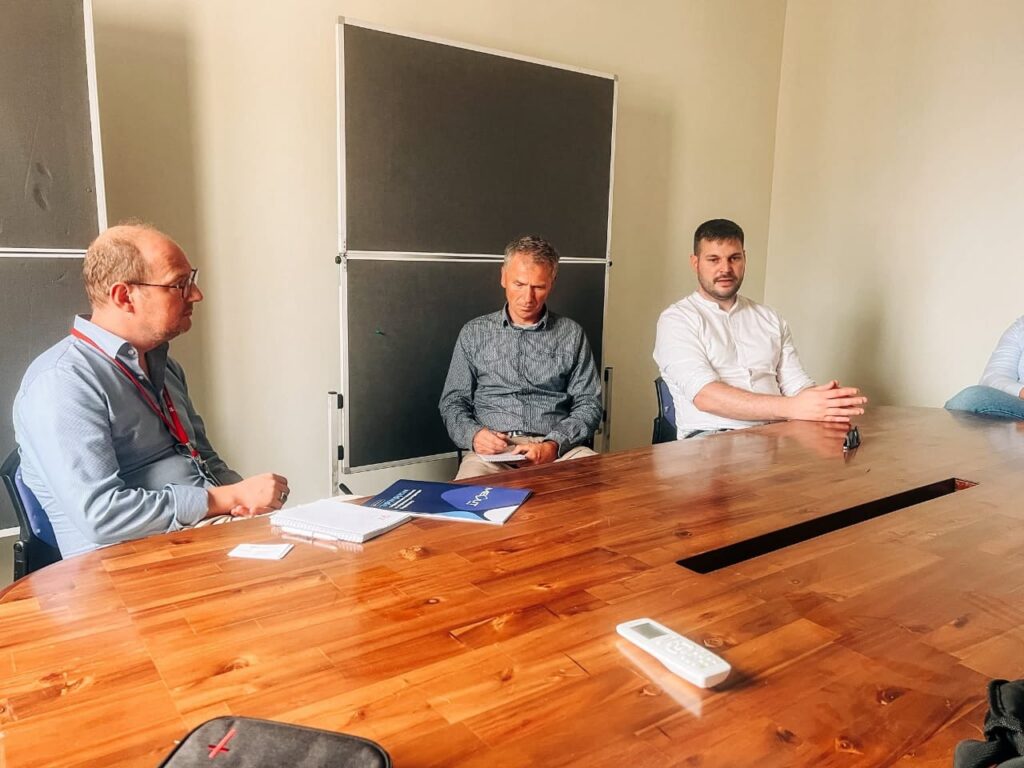
The delegation further engaged representatives of GIZ in discussions focused on skills development, youth employment, entrepreneurship, and institutional strengthening.
Participants exchanged perspectives on current challenges and opportunities within the skills development ecosystem and explored areas for potential collaboration. The discussions underscored the importance of partnerships in creating sustainable opportunities for young people and strengthening systems that support workforce readiness and economic participation.
The engagement highlighted the shared commitment among stakeholders to promoting inclusive growth, innovation, and long-term development
2nd June (Day Two)
Engagement with the European Union Delegation
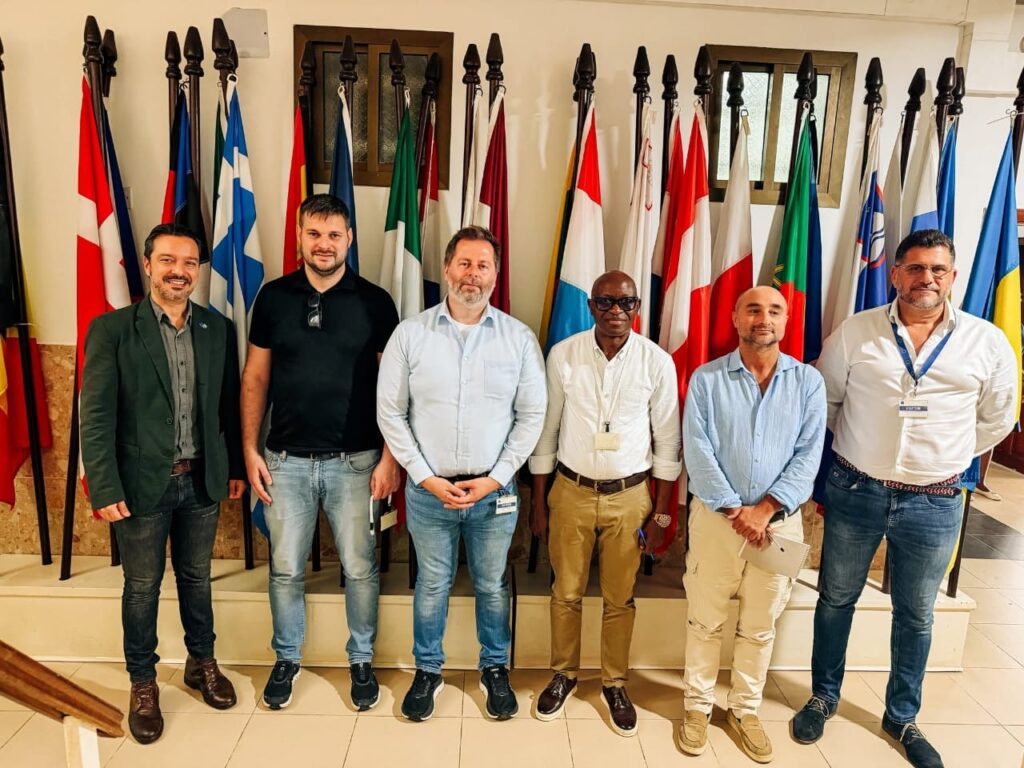
The BIO-VET delegation also met with representatives of the European Union Delegation in Sierra Leone.
The engagement provided an opportunity to discuss international cooperation, education partnerships, innovation ecosystems, skills development, and opportunities for future collaboration. Discussions explored how partnerships between European and Sierra Leonean institutions can contribute to sustainable development, capacity building, and economic transformation.
The meeting reinforced the value of international cooperation in supporting education, innovation, entrepreneurship, and workforce development initiatives.
Provincial Engagements and Field Visits
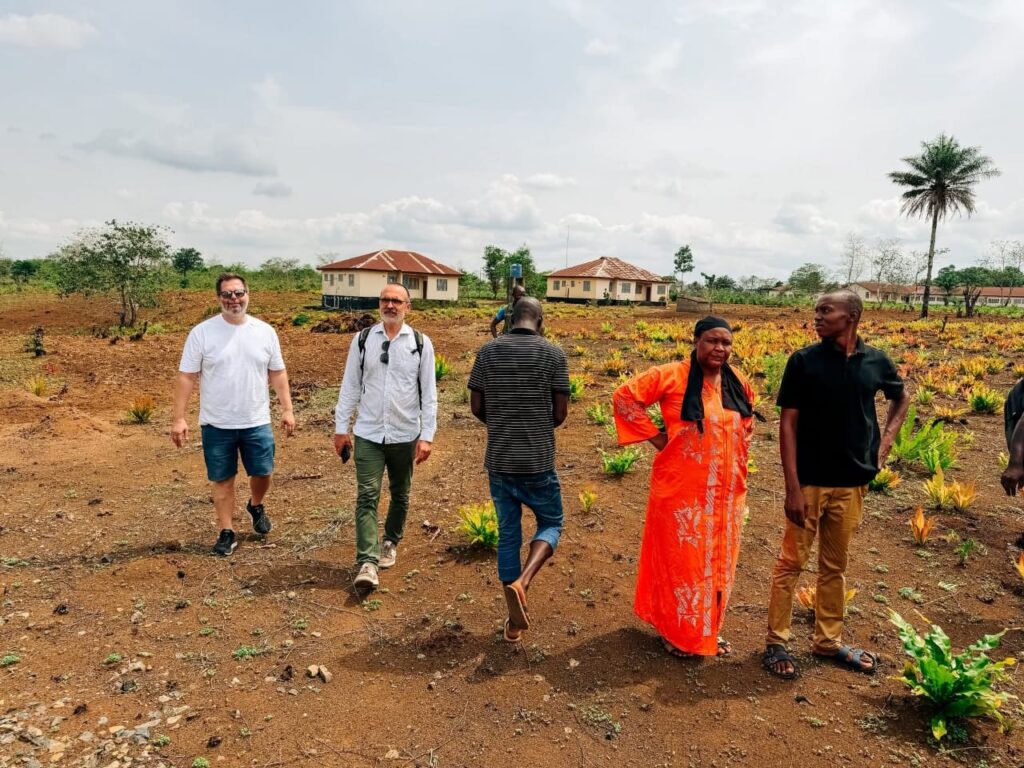
Beyond Freetown, the delegation travelled to Kambia District and other locations to engage local stakeholders and gain firsthand insights into community realities.
These field visits provided valuable opportunities to assess local training needs, understand workforce challenges, identify development opportunities, and explore practical ways of strengthening vocational education and agricultural development at the community level.
The provincial engagements ensured that perspectives from both urban and rural communities informed discussions and future recommendations.
Key Outcomes of the Mission
Throughout the mission, several important themes emerged:
- The need to strengthen links between education and labour market demands.
- The importance of practical and competency-based learning approaches.
- The growing relevance of entrepreneurship education and innovation.
- Opportunities for strengthening agricultural value chains through skills development.
- The importance of partnerships between government, academia, development partners, and the private sector.
- The potential for international collaboration in curriculum development, capacity building, and knowledge exchange.
Looking Ahead
The BIO-VET mission successfully established new relationships and strengthened existing partnerships among stakeholders committed to advancing skills development, agricultural innovation, entrepreneurship, and youth empowerment in Sierra Leone.
SLeCAD remains committed to supporting initiatives that promote inclusive economic growth, strengthen human capital development, and create opportunities for young people across the country.
As discussions continue and partnerships evolve, the insights gathered during this mission will contribute to future collaboration efforts aimed at building a more innovative, skilled, and competitive workforce capable of supporting Sierra Leone’s long-term development aspirations.
The mission may have concluded, but the journey toward stronger partnerships, enhanced skills development, and sustainable economic transformation continues.