Bo District, Sierra Leone | 11–12 June 2026
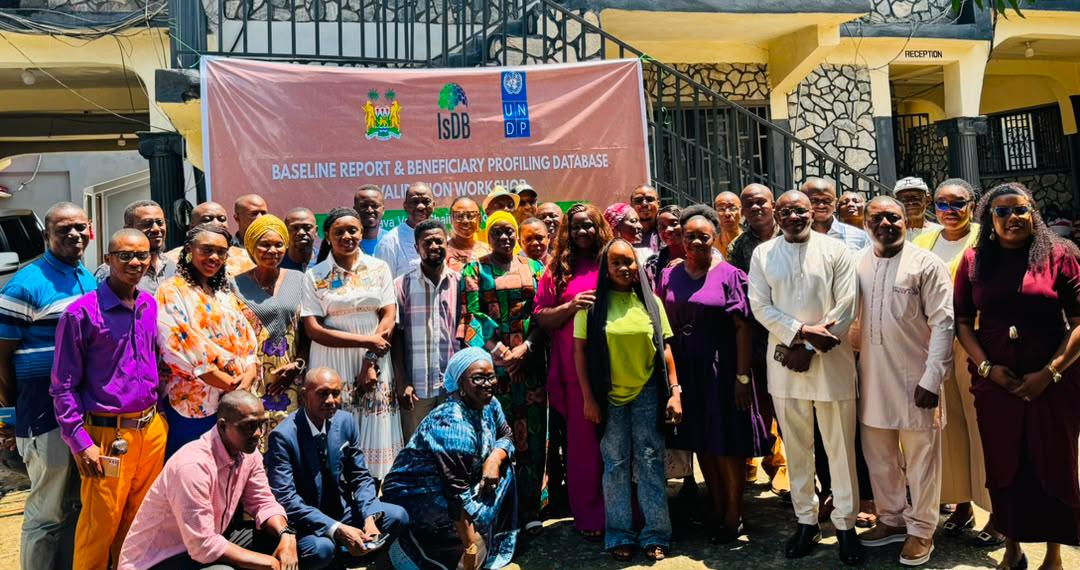
The Sierra Leone Chamber for Agribusiness Development (SLeCAD) participated in the Baseline Report and Beneficiary Profiling Database Validation Workshop for the Cassava Value Chain Development Project held at Dohas Hotel in Bo District.
The two-day engagement brought together representatives from government ministries and agencies, development partners, research institutions, standards and regulatory organisations, farmer groups, local councils, technical experts, and private sector stakeholders to review and validate baseline findings and beneficiary data that will guide implementation of the project.
The workshop forms part of ongoing preparations for the implementation of a major cassava value chain investment initiative designed to strengthen agricultural productivity, improve livelihoods, enhance food security, promote climate resilience, and stimulate private sector growth.
Regional Initiative with National Impact
Presentations delivered during the workshop revealed that the project forms part of a broader regional Roots and Tubers Value Chain Development Programme involving several African countries, including Sierra Leone, Nigeria, Benin, Burkina Faso, and Togo.
The initiative seeks to address key development challenges through strategic investments in agricultural commercialisation, value addition, market development, and employment creation.
For Sierra Leone, cassava was identified as a strategic commodity due to its resilience, adaptability, and multiple economic uses. Stakeholders noted that cassava provides opportunities not only through its roots but also through its stems and leaves, creating additional income streams for producers and processors.
Key Project Components
Workshop discussions highlighted several major intervention areas, including:
- Expansion of cassava production through improved planting materials.
- Establishment of foundation seed multiplication systems.
- Farmer capacity development and technical support.
- Mechanisation services for cassava production.
- Development of modern processing facilities.
- Infrastructure support, including access roads.
- Promotion of value-added cassava products.
- Market access and commercialisation strategies.
- Integration with food security and nutrition initiatives.
The project is expected to directly engage approximately 40,000 farmers across seven districts: Bo, Bonthe, Pujehun, Moyamba, Bombali, Kenema, and Tonkolili.
Additionally, the intervention seeks to improve the livelihoods of approximately 30,000 households while creating employment opportunities across production, processing, transportation, logistics, marketing, and related services.
SLeCAD’s Contribution
As the leading voice of agribusiness and private sector development within the agricultural sector, SLeCAD actively contributed to discussions throughout the workshop.
The Chamber emphasised the importance of ensuring that private sector institutions, agribusiness enterprises, processors, traders, logistics providers, investors, and business support organisations are fully integrated into project implementation.
SLeCAD also highlighted the need to strengthen linkages between smallholder producers, existing agro-processors, and the modern processing facilities proposed under the project to ensure that benefits are distributed broadly throughout the value chain.
Project representatives acknowledged the importance of continued stakeholder engagement and reaffirmed that private sector actors will remain important partners throughout implementation.
Looking Ahead
The workshop concluded with stakeholder validation of key project findings and renewed commitment toward successful implementation.
For SLeCAD, the engagement reinforced the importance of proactive private sector participation in large-scale agricultural investments. The Chamber remains committed to working with government, development partners, research institutions, and private sector actors to ensure that emerging opportunities contribute to sustainable business growth, employment creation, food security, and economic development.
As implementation progresses, SLeCAD will continue to engage stakeholders, share information with members, and advocate for inclusive approaches that support the growth and competitiveness of Sierra Leone’s agribusiness sector.