The Sierra Leone Chamber for Agribusiness Development (SLeCAD) continues to actively participate in the BIO-VET: Biodynamic Innovation in Agricultural Vocational Education and Training project, an international initiative bringing together institutions from Africa and Europe to strengthen agricultural vocational education, practical skills development and sustainable agricultural innovation.
Coordinated by MeOut Group, BIO-VET brings together partners from Sierra Leone, Ghana, Nigeria, Hungary and Romania. The project focuses on strengthening agricultural vocational education and training by introducing innovative, sustainable and practical approaches that respond to the changing needs of the agricultural sector.
SLeCAD is participating as the Sierra Leone partner, contributing to areas including agricultural skills development, entrepreneurship, market linkages, Agri-tech and innovation, industrial attachment and practical learning.
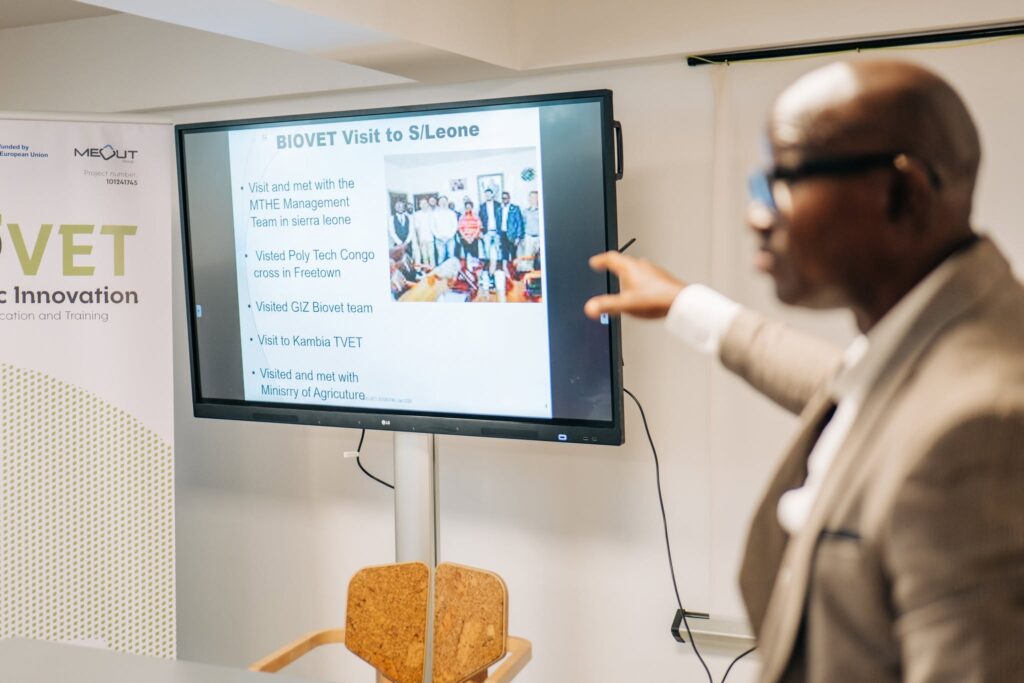
Continuing International Engagement
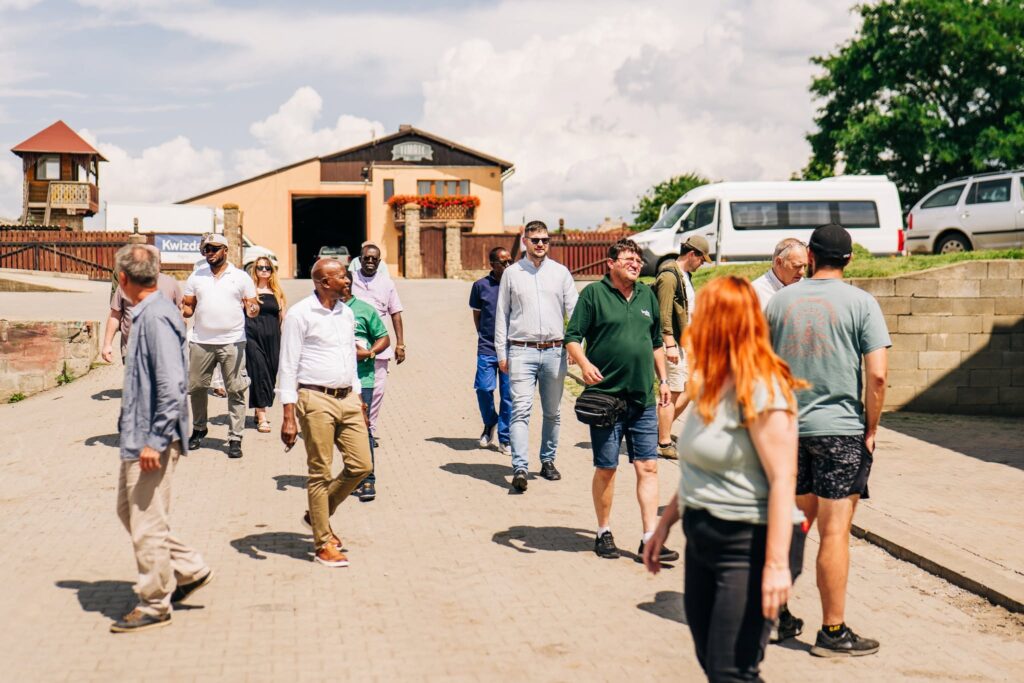
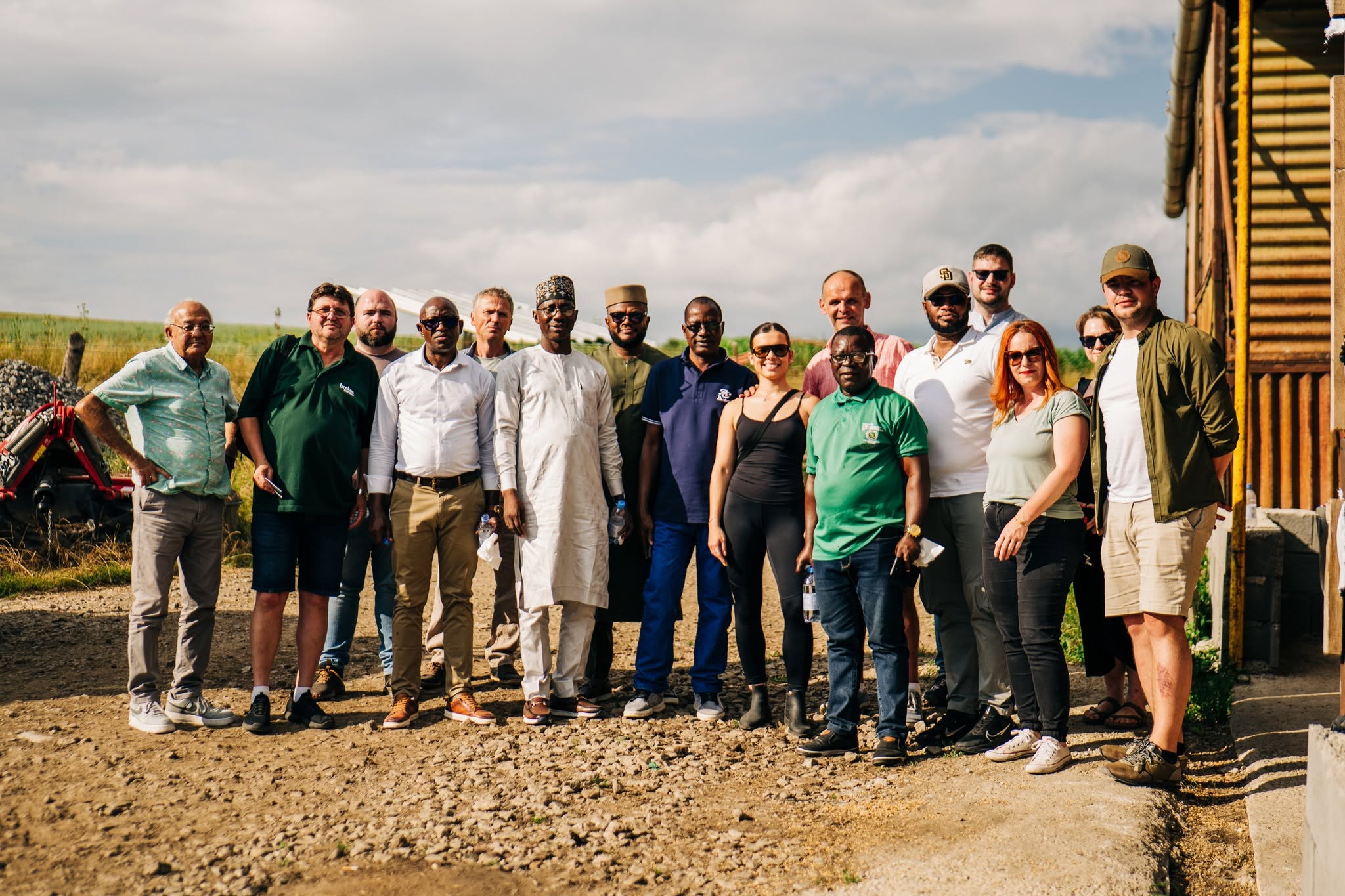
Following earlier project activities in Africa, the BIO-VET partnership continues to undertake engagements and knowledge-exchange activities across participating countries in Europe.
These activities provide opportunities for African and European partners to exchange experiences, explore different approaches to agricultural vocational education and examine practical models for sustainable agricultural learning.
The engagements are part of the wider BIO-VET implementation process and should be viewed as a continuation of the collaboration established among the participating institutions.
Through these activities, partners are strengthening relationships, sharing knowledge and contributing to the development of approaches that can improve the relevance of agricultural vocational education and training in the participating countries.
Connecting Agricultural Education with Practical Skills
A key focus of BIO-VET is ensuring that agricultural education is closely connected to practical skills and the needs of the agricultural sector.
For SLeCAD, this is particularly relevant to Sierra Leone, where strengthening the skills of young people, entrepreneurs and agricultural professionals is important for the continued development of the agribusiness sector.
The project provides an opportunity to explore how vocational education can better support practical agricultural competencies, entrepreneurship, innovation and stronger links between education and industry.

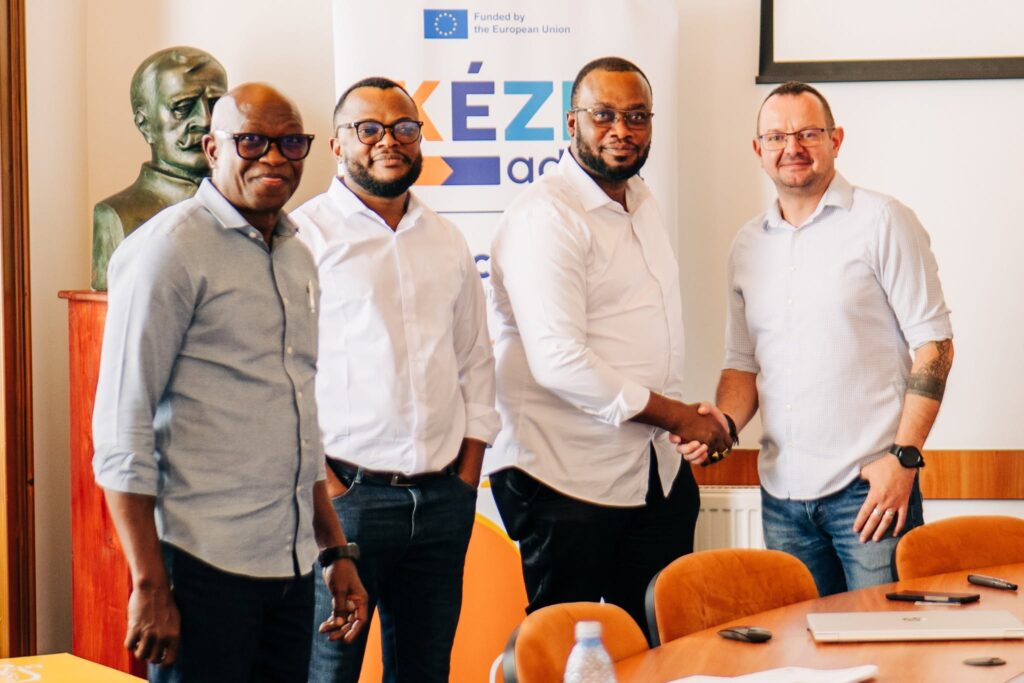
Learning Through African-European Cooperation
The international nature of BIO-VET creates opportunities for partners to learn from different agricultural and vocational education systems.
Engagements across the participating European countries allow African partners to gain exposure to different approaches to vocational training, agricultural learning, innovation and sustainable farming, while also creating opportunities to share African experiences and perspectives.
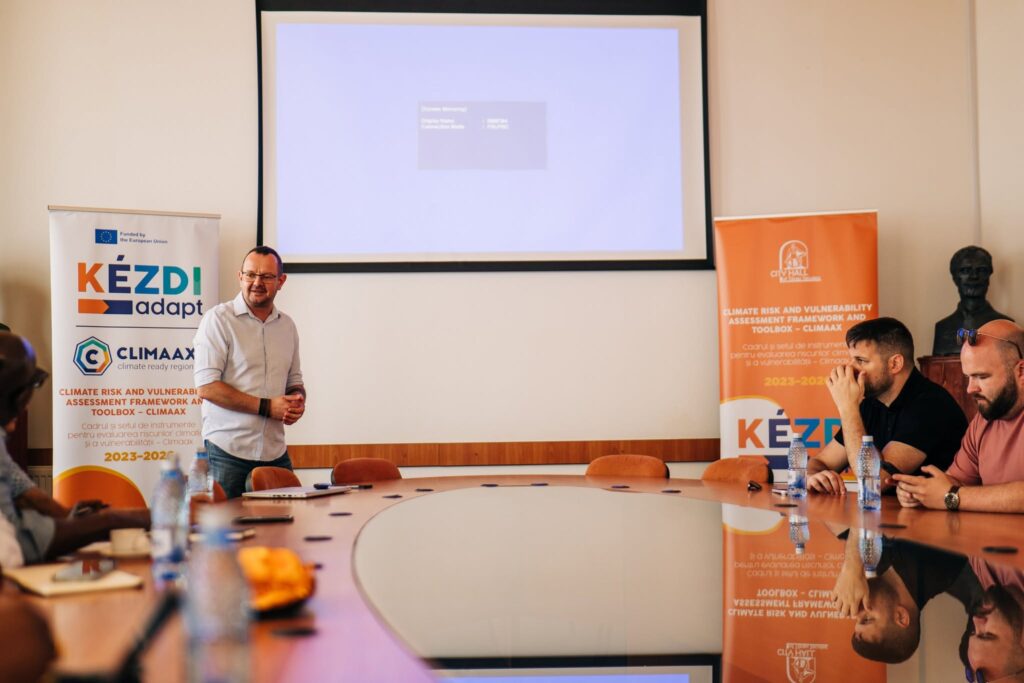
The project’s activities include international forums, study visits, training programme development, educator capacity building and practical learning activities.
This two-way exchange of knowledge is an important part of the project, as approaches and lessons can be considered in relation to the different agricultural, educational and economic contexts of the participating countries.
Supporting Sustainable Agricultural Development
BIO-VET places particular emphasis on biodynamic agriculture and sustainable approaches to agricultural production.
The project seeks to strengthen awareness and practical understanding of approaches that support soil health, biodiversity, sustainable farming and climate resilience.
For Sierra Leone, these areas are increasingly relevant as the agricultural sector responds to environmental pressures while seeking to improve productivity, livelihoods and long-term sustainability.
SLeCAD’s participation provides an opportunity to contribute to these discussions while exploring knowledge and practices that can be relevant to the country’s agricultural and vocational education environment.
Strengthening Partnerships for Sierra Leone’s Agricultural Sector
The BIO-VET partnership demonstrates the value of collaboration between private-sector organisations, vocational education institutions, government stakeholders and international partners.
Through its continued engagement with MeOut Group and the other BIO-VET partners, SLeCAD is contributing to a broader effort to strengthen agricultural skills development and promote innovation within the sector.
The Chamber remains committed to supporting initiatives that connect skills development with the needs of agribusinesses, farmers, entrepreneurs and the wider agricultural value chain.

Looking Ahead
SLeCAD will continue to participate in BIO-VET activities as the project progresses, working alongside MeOut Group and partner institutions from Sierra Leone, Ghana, Nigeria, Hungary and Romania.
The ongoing engagement provides opportunities for continued knowledge exchange, international cooperation and practical learning, while contributing to the broader objective of developing a more skilled, innovative and resilient agricultural workforce.
Through BIO-VET, SLeCAD continues to contribute to efforts aimed at strengthening agricultural vocational education and creating stronger pathways between education, skills development and opportunities within the agricultural sector.