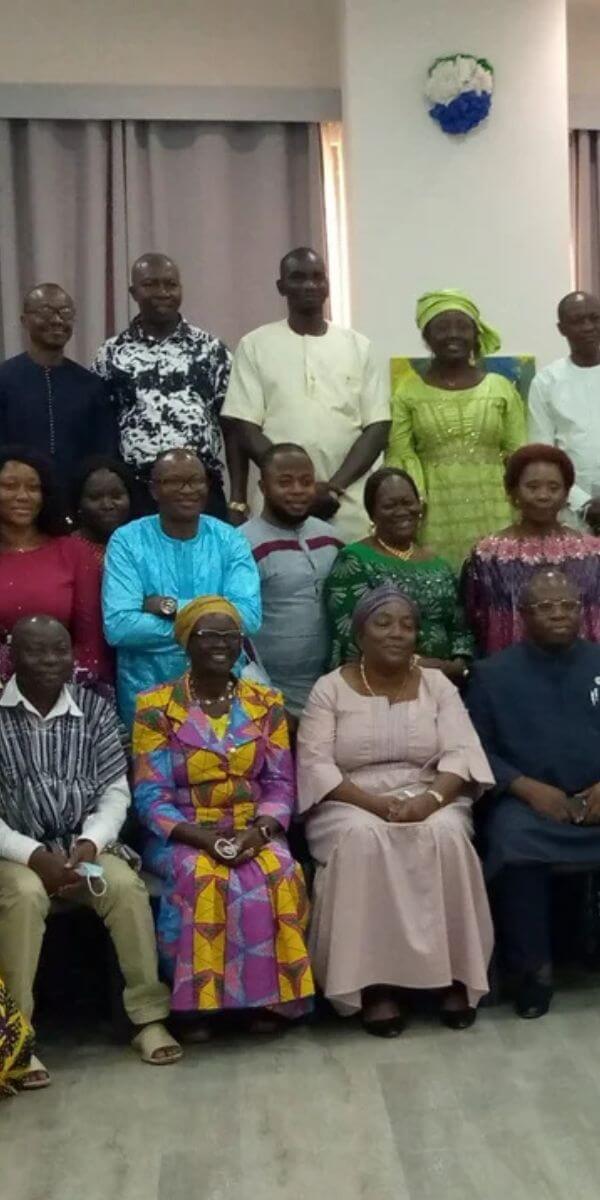
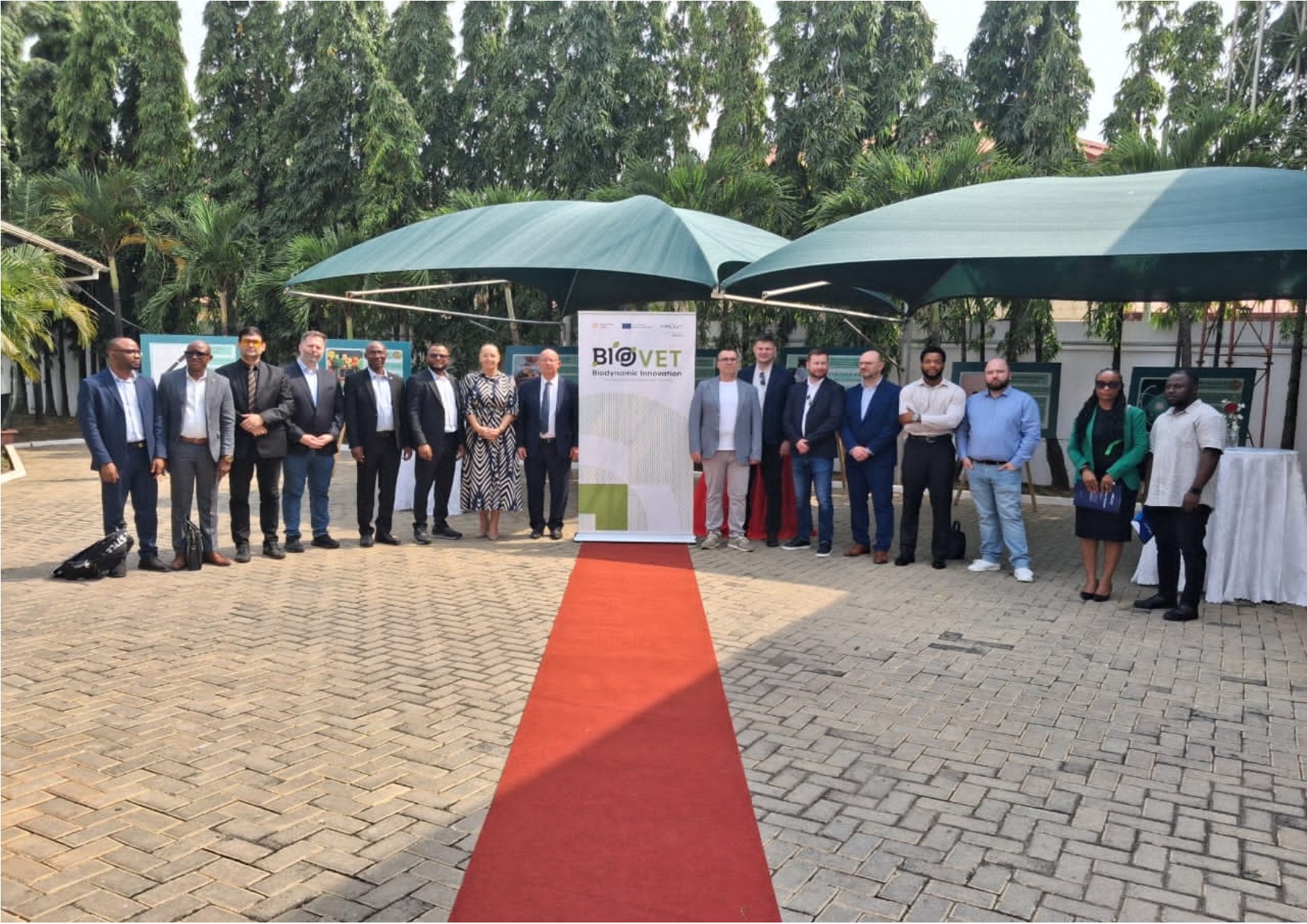
In January 2026, the Sierra Leone Chamber for Agribusiness Development (SLeCAD) participated in the official launch and kick-off meeting of the BIO-VET (Biodynamic Innovation in Vocational Education and Training) project, held in Accra, Ghana, from 28–31 January 2026. The project is funded by the European Commission and brings together partners from Ghana, Nigeria, Sierra Leone, Hungary, and Romania.
The BIO-VET project aims to address skills mismatches in agricultural vocational education and training (VET) while responding to critical challenges such as climate change, soil degradation, food security, and environmental sustainability. By integrating biodynamic and regenerative agricultural practices into VET systems, the project promotes improved soil health, enhanced biodiversity, and long-term agricultural resilience.
Aligned with the European Union Green Deal, BIO-VET seeks to improve the quality, relevance, and innovation capacity of agricultural vocational education, while strengthening awareness of VET as a key driver of climate-smart agriculture and sustainable rural development in West Africa.
SLeCAD leads Sierra Leone’s participation in the project and is responsible for training and skills development, entrepreneurship support, market linkages, Agri-tech innovation, and industrial attachments, all aimed at integrating biodynamic agriculture into vocational education systems. These interventions are designed to support SMEs, agripreneurs, and vocational learners.
The kick-off meeting marked the beginning of a multi-year international collaboration and included visits to Ghana Agribusiness and Innovation Centres. The project was officially launched by the Hungary Ambassador for West Africa and the European Union Representative for West Africa, with participation from the Ghana Minister of Agriculture and the Director of Technical and Vocational Education and Training (TVET).
Impact:
The BIO-VET project will strengthen institutional capacity, empower agribusiness SMEs, enhance vocational skills, and contribute to climate resilience, food system sustainability, and economic development in Sierra Leone and across West Africa.