The Sierra Leone Chamber for Agribusiness Development (SLeCAD), in strategic collaboration with the EBKUST Entrepreneurship and Innovation Hub and with support from the International Labour Organization (ILO), continues to strengthen agribusiness enterprises in Sierra Leone through the implementation of the Start and Improve Your Business (SIYB) entrepreneurship training programme combined with digital business coaching support.
The initiative forms part of ongoing efforts to improve enterprise sustainability, strengthen agricultural value chains, promote employment creation, and enhance the productivity of agribusiness SMEs operating across Sierra Leone.
As part of the programme implementation, SLeCAD successfully facilitated a five-day intensive Improve Your Business (IYB) training programme designed to strengthen the business management capacity of agribusiness entrepreneurs, particularly enterprises operating within the poultry, cassava processing, palm oil production, and vegetable production value chains.
The programme brought together agribusiness entrepreneurs, SMEs, and value chain actors, many of whom are members of SLeCAD, to participate in practical entrepreneurship and business management sessions tailored to address real operational challenges affecting agribusinesses in Sierra Leone.
The SIYB training methodology developed by the International Labour Organization provides a globally recognized entrepreneurship framework aimed at improving enterprise planning, financial management, productivity, market positioning, and business sustainability.
During the training sessions, participants engaged in six major modules under the SIYB Improve Your Business framework, including:
Planning for Your Business
Record Keeping
Costing
Marketing
People and Productivity
Buying and Stock Control
The sessions focused on strengthening the managerial and operational capacity of entrepreneurs through practical learning approaches, case studies, business simulations, and agribusiness-centered discussions.
Under the Costing module, participants learned how to calculate production costs, determine appropriate pricing systems, improve profitability, and make informed financial decisions capable of supporting business growth.
The Record Keeping and Planning for Your Business sessions emphasized the importance of proper financial documentation, business planning, operational monitoring, and strategic growth management.
Participants also explored key areas in Marketing, where facilitators discussed customer development, market positioning, product promotion, and improving access to competitive markets.
The People and Productivity module focused on improving workplace culture, staff management, productivity systems, employee motivation, and maintaining healthy and productive business environments.
In the Buying and Stock Control sessions, entrepreneurs learned practical techniques for inventory management, supplier coordination, purchasing systems, and stock monitoring in order to reduce losses and improve operational efficiency.
As part of the programme, Agribusiness Business Clinics were also organized to provide entrepreneurs with opportunities to discuss real business challenges affecting their enterprises. The clinics addressed practical issues including feed costs in poultry enterprises, efficiency in cassava processing, productivity in palm oil production, and market access for vegetable producers.
To strengthen post-training impact and sustainability, participants will continue receiving business development support through the Hustle Coach digital platform, a digital coaching tool designed to reinforce the principles of the Improve Your Business methodology.
Through the platform, entrepreneurs will continue receiving guidance in areas such as:
Financial management
Costing and pricing decisions
Marketing strategies
Business growth planning
Enterprise sustainability
Speaking on the importance of the programme, SLeCAD emphasized that strengthening the managerial capacity of agribusiness SMEs remains critical to improving enterprise sustainability, employment creation, food systems, and private sector participation within Sierra Leone’s agricultural economy.
The Chamber further noted that entrepreneurship development and capacity building continue to play a major role in empowering SMEs, increasing competitiveness, and promoting sustainable agribusiness transformation across the country.
The programme also reflects the growing collaboration between SLeCAD, EBKUST Entrepreneurship and Innovation Hub, and the International Labour Organization in strengthening agribusiness ecosystems and supporting entrepreneurs through practical, scalable, and impact-driven interventions.
SLeCAD remains committed to promoting agribusiness development, entrepreneurship support, private sector growth, and enterprise sustainability through strategic partnerships, training programmes, and capacity-building initiatives across Sierra Leone.
📌 “When entrepreneurs are empowered with practical business knowledge, enterprises grow stronger, communities become more resilient, and economies become more sustainable.”
📌 “Capacity building is not only about training people — it is about transforming businesses, creating opportunities, and strengthening livelihoods.”
For more updates, training opportunities, partnerships, and agribusiness initiatives, follow SLeCAD on all digital platforms and visit our website regularly.
The Sierra Leone Chamber for Agribusiness Development (SLeCAD) has successfully concluded another impactful Internship and Capacity Building Programme aimed at equipping university students with practical workplace exposure, professional mentorship, and real-world corporate experience.
The internship programme, which officially commenced on 16th March 2026 and concluded on 20th April 2026, brought together students from Njala University, the Institute of Public Administration and Management (IPAM), and Milton Margai Technical University.
As part of SLeCAD’s continuous commitment to youth empowerment, entrepreneurship development, agribusiness growth, and private sector strengthening, students were attached both internally at SLeCAD and externally to partner institutions including Bennimix and PAJAH & I.J SL LTD.
The initiative was designed to bridge the gap between academic theory and practical workplace application while exposing students to the realities of the corporate environment, organizational ethics, teamwork, communication, digital systems, agribusiness operations, and workplace responsibilities.
Throughout the internship journey, students were engaged in practical assignments, presentations, mentorship sessions, supervision exercises, interviews, documentation processes, digital communication activities, inventory management, customer service, marketing activities, and organizational operations.
At SLeCAD, all interns participated in the organization’s regular Monday morning devotion sessions and staff engagements, which served as an avenue for orientation, mentorship, motivation, teamwork, discipline, and professional interaction.
Several students attached internally at SLeCAD gained practical exposure in Information Technology, Administration, Reception Management, Corporate Communication, Digital Systems, Office Coordination, Reporting, Customer Service, and Professional Ethics.
Students attached to partner institutions also participated in practical agribusiness and operational activities including inventory supervision, marketing engagement, customer relations, logistics support, production support, and general workplace coordination.
One of the major highlights of the programme was the positive transformation observed among many of the students. Several interns who initially had limited practical exposure to corporate systems, workplace communication, digital tools, and organizational operations demonstrated significant improvement throughout the internship period.
The programme also provided students with opportunities to interact directly with professionals, managers, supervisors, entrepreneurs, and industry stakeholders, thereby strengthening their confidence, communication skills, teamwork abilities, leadership exposure, and understanding of workplace expectations.
As part of the internship monitoring and evaluation process, supervisors from participating universities visited the respective internship locations to assess student performance, supervise activities, and engage management teams regarding the effectiveness of the programme.
Evaluation reports submitted by supervisors and partner institutions highlighted the students’ commitment, willingness to learn, adaptability, discipline, responsibility, and growing professional competence throughout the internship period.
At PAJAH & I.J SL LTD, students attached under the programme demonstrated commendable commitment and professionalism. One of the students attached through the programme eventually transitioned into a staff role after demonstrating competence and reliability within the institution.
At Bennimix, students were exposed to practical agribusiness and marketing operations, where they gained direct experience relating to product engagement, marketing activities, organizational coordination, and professional interaction.
SLeCAD also conducted interviews and interactive assessment sessions with interns in order to evaluate their learning outcomes, challenges encountered, practical experiences gained, and recommendations for future improvement.
During these interactions, many students described the programme as impactful, practical, educational, and transformational. Several interns testified that the programme helped them better understand the practical application of concepts previously learned only in classrooms.
The internship programme additionally emphasized the importance of digital literacy, professional reporting, formal communication, workplace ethics, documentation, organizational responsibility, teamwork, and self-development.
As part of the documentation and visibility process, SLeCAD also produced a full internship documentary featuring interviews, testimonies, office activities, mentorship engagements, and student experiences throughout the programme.
🎥 Watch the Full Internship Documentary Here:
📸 More internship photos and highlights are also available in our Gallery Section.
SLeCAD remains committed to promoting youth empowerment, entrepreneurship, agribusiness development, practical learning, and sustainable private sector growth through strategic partnerships, mentorship programmes, training initiatives, and internship opportunities across Sierra Leone.
The Chamber appreciates all partner institutions, supervisors, universities, staff members, and stakeholders who contributed to the success of this year’s internship programme.
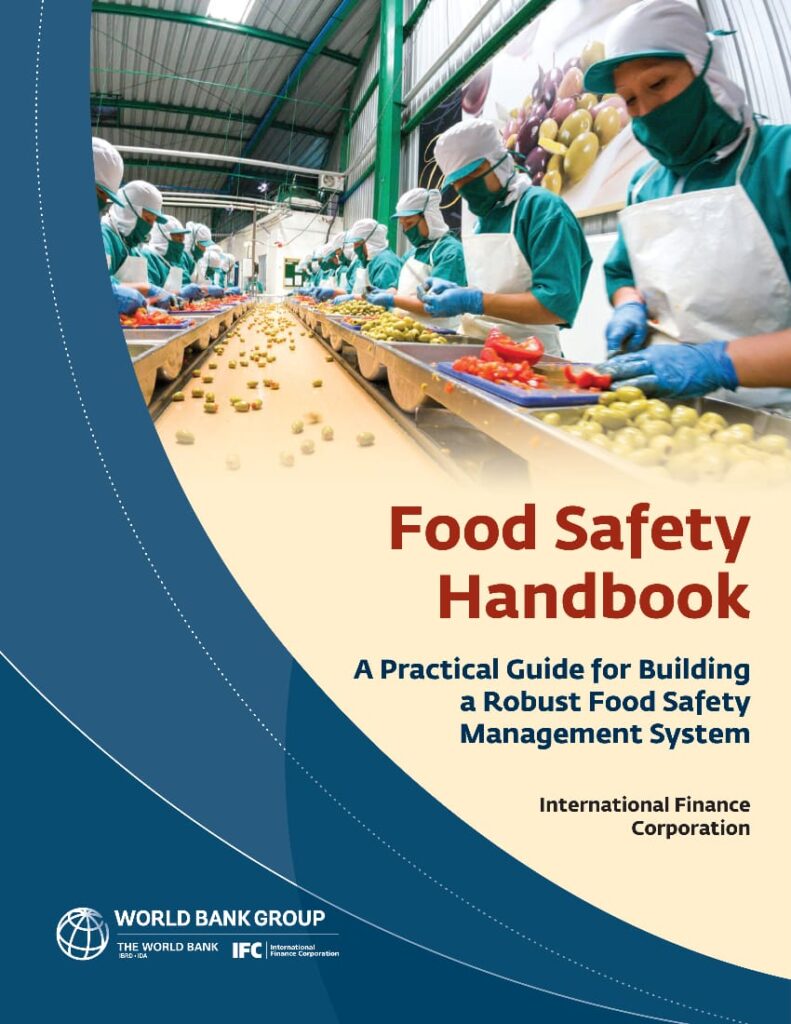
The Sierra Leone Chamber for Agribusiness Development (SLeCAD), in collaboration with the International Finance Corporation (IFC), successfully facilitated a three-day Food Safety Handbook Training Workshop held from 14th to 16th April 2026.
The workshop brought together agribusiness stakeholders, including farmers, processors, aggregators, and food system actors, with the objective of strengthening knowledge and practical understanding of food safety standards across agricultural value chains.
This training forms part of ongoing efforts to improve the quality, safety, and competitiveness of agricultural products in Sierra Leone, while aligning local agribusiness practices with international standards.
Participants were introduced to key principles outlined in the IFC Food Safety Handbook, focusing on:
Food hygiene and safety practices
Risk identification and mitigation
Standardization and compliance
Handling, processing, and storage requirements
Improving market readiness and consumer confidence
The interactive nature of the training enabled participants to share experiences, identify challenges, and explore practical solutions to food safety issues within their respective operations.
The initiative is expected to enhance the capacity of agribusiness actors to meet both local and international market requirements, ultimately contributing to improved public health outcomes and increased economic opportunities within the sector.
SLeCAD remains committed to building the capacity of its members through continuous training and the provision of practical learning resources, including the IFC Food Safety Handbook, which serves as a key reference for strengthening food safety practices across the agribusiness sector.
Training materials, including the IFC Food Safety Handbook, are available at the SLeCAD Secretariat for members and stakeholders.
The Sierra Leone Chamber for Agribusiness Development (SLeCAD) successfully convened a high-level Agribusiness Private Sector Meeting focused on the World Bank-supported Sustainable Agricultural Value Chains Intensification for Growth (SAVIG) Project. The engagement brought together key stakeholders from across the agricultural sector, including farmers, agribusiness operators, private sector actors, and institutional representatives.
The primary objective of the meeting was to enhance awareness and understanding of the SAVIG Project, particularly its structure, focus areas, eligibility criteria, and the opportunities it presents for agribusiness growth and investment in Sierra Leone.
The SAVIG Project is designed to strengthen agricultural productivity and competitiveness by focusing on key value chains, including cocoa, maize, rice, and horticulture. The initiative adopts a private sector-driven approach, ensuring that interventions are aligned with market realities while promoting sustainability and long-term impact.
A central component of the project is the strengthening of agricultural input systems. Stakeholders emphasized that beyond availability, the quality of inputs such as seeds and fertilizers remains a critical issue affecting productivity. The project therefore works through relevant institutions to improve input standards, ensure proper regulation, and enhance accessibility for farmers and agribusiness operators.
In addition to input systems, the project places strong emphasis on capacity building. Beneficiaries will be supported with training in climate-smart agriculture, standardization, and agribusiness management, enabling them to improve productivity, meet market requirements, and access both grants and financing opportunities.
Participants were also informed that the project targets three key categories of beneficiaries: processors, aggregators, and farmer organizations or cooperatives. The selection process will be conducted through independent and specialized private sector entities to ensure transparency, fairness, and accountability.
SLeCAD’s role within this framework remains strategic, leveraging its national network of agribusiness actors to facilitate coordination, support stakeholder engagement, and contribute to effective monitoring of the implementation process.
During the engagement, participants raised important concerns regarding inclusivity, transparency in beneficiary selection, and the need to ensure that genuine agribusiness actors, particularly active farmers and women, are prioritized. There were also calls for strengthening agro-dealer networks and improving access to extension services to support farmers at the local level.
Additionally, a cross-cutting issue related to land access and the presence of underutilized agricultural lands was briefly highlighted, reinforcing the need for improved coordination in land use planning to support agribusiness expansion.
The engagement reaffirmed the importance of collaboration between government, private sector, and development partners in driving agricultural transformation in Sierra Leone.
SLeCAD remains committed to supporting its members and the broader agribusiness community by providing timely information, facilitating access to opportunities, and advocating for an enabling environment that promotes sustainable growth and investment.
Agribusiness actors, farmers, and investors are encouraged to stay engaged with SLeCAD and position themselves to benefit from ongoing and upcoming opportunities under the SAVIG Project.
The Sierra Leone Chamber for Agribusiness Development (SLeCAD) successfully convened a high-level agribusiness private sector engagement with the United Nations Capital Development Fund (UNCDF), Vista Bank Sierra Leone, and support from the European Union, aimed at enhancing access to finance for agribusinesses across Sierra Leone.
Held on 25th March, 2026 at the SLeCAD Conference Hall, Lumley Beach Road, Freetown, the meeting brought together key stakeholders including agribusiness companies, SMEs, farmer-based organizations, cooperatives, and private sector actors to deepen understanding of the Matching Grant Financing Facility under the Government’s flagship Feed Salone initiative.
Driving Access to Finance for Agribusiness Growth
The engagement was convened in response to growing demand from SLeCAD members and agribusiness stakeholders seeking clarity on how to access financing opportunities. Over time, the Chamber has received numerous inquiries regarding eligibility, procedures, and requirements for funding support. This meeting therefore served as a critical platform to bridge the information gap and connect private sector actors directly with financing institutions.
In his remarks, the leadership of SLeCAD emphasized the Chamber’s commitment to advocating for its members by facilitating strategic partnerships and ensuring that agribusinesses are well-positioned to benefit from available financing windows.
Overview of the Matching Grant Financing Facility
Madam Jerioth
UNCDF Representative
During the session, representatives from UNCDF and Vista Bank provided detailed insights into the structure and requirements of the financing facility. The scheme is designed to support agribusiness value chain actors through a blended financing model, which includes:
A grant component of up to 50% of the total financing package
A loan component of up to 50%, provided by Vista Bank under agreed terms
Access to funding of up to USD $120,000 equivalent in Leones, depending on the scale and viability of the agribusiness
Participants were guided through key eligibility criteria, including:
Business registration within the agricultural sector or related value chains
Demonstrated operational track record and performance
Availability of a clear business plan with projected cash flows
Compliance with financial and collateral requirements
Key Discussions and Stakeholder Engagement
The session featured interactive discussions, allowing participants to raise concerns and seek clarification on critical issues such as:
Access to finance barriers for SMEs and smallholder farmers
Loan conditions, interest rates, and collateral requirements
Business formalization and readiness for investment
Strengthening agribusiness value chains through targeted financing
Stakeholders also highlighted persistent challenges including limited access to affordable finance, market constraints, and gaps in technical capacity, reinforcing the need for continuous engagement between financial institutions and the private sector.
Strengthening Public-Private Collaboration
The engagement reaffirmed the importance of collaboration between development partners, financial institutions, and the private sector in advancing Sierra Leone’s agricultural transformation agenda. With support from the European Union and UNCDF, initiatives such as this are contributing to building a more inclusive and resilient agribusiness ecosystem.
SLeCAD reiterated its role as a key intermediary, ensuring that its members are not only informed but also supported in navigating financing processes and meeting eligibility requirements.
Call to Action for Agribusiness Stakeholders
SLeCAD encourages all agribusinesses, SMEs, cooperatives, and value chain actors to take proactive steps in preparing their businesses to access such opportunities. This includes strengthening business structures, improving financial records, and developing bankable proposals.
The Chamber remains committed to providing continuous support, advisory services, and platforms for engagement to ensure that no member is left behind.
Conclusion
This engagement marks another important milestone in SLeCAD’s efforts to unlock financing opportunities for agribusiness development in Sierra Leone. By connecting stakeholders with the right institutions and information, the Chamber continues to play a pivotal role in driving private sector growth, job creation, and food systems transformation.