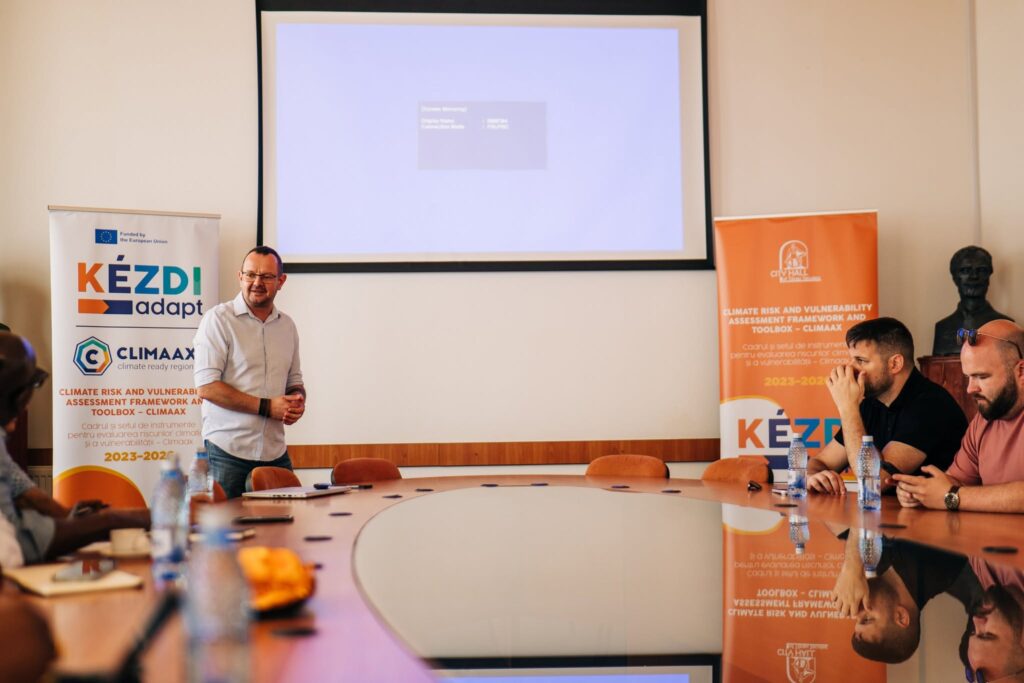
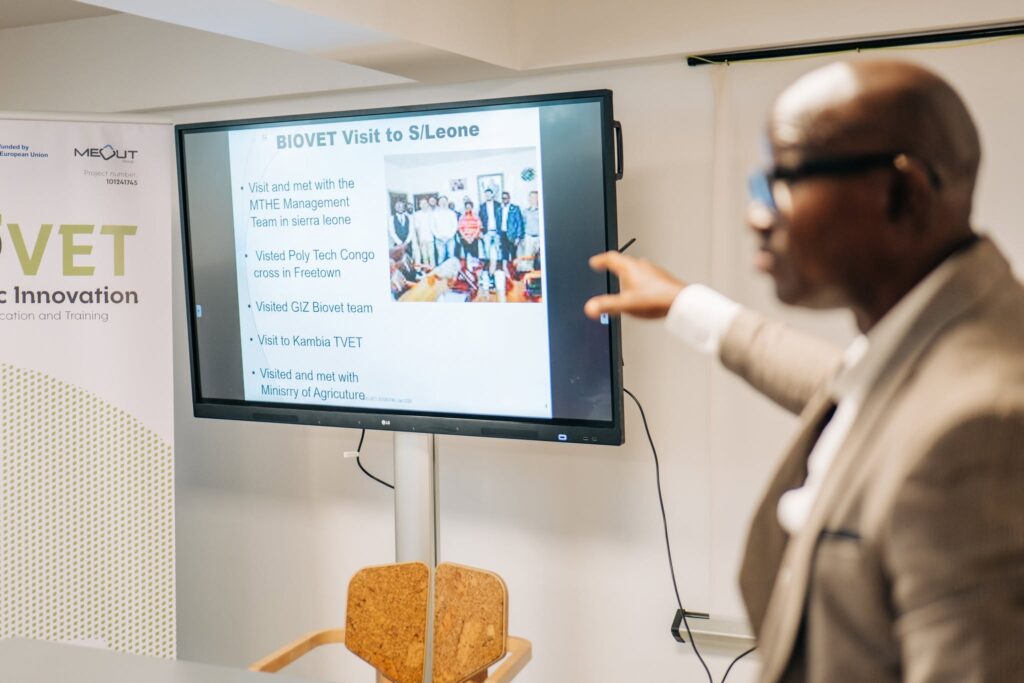
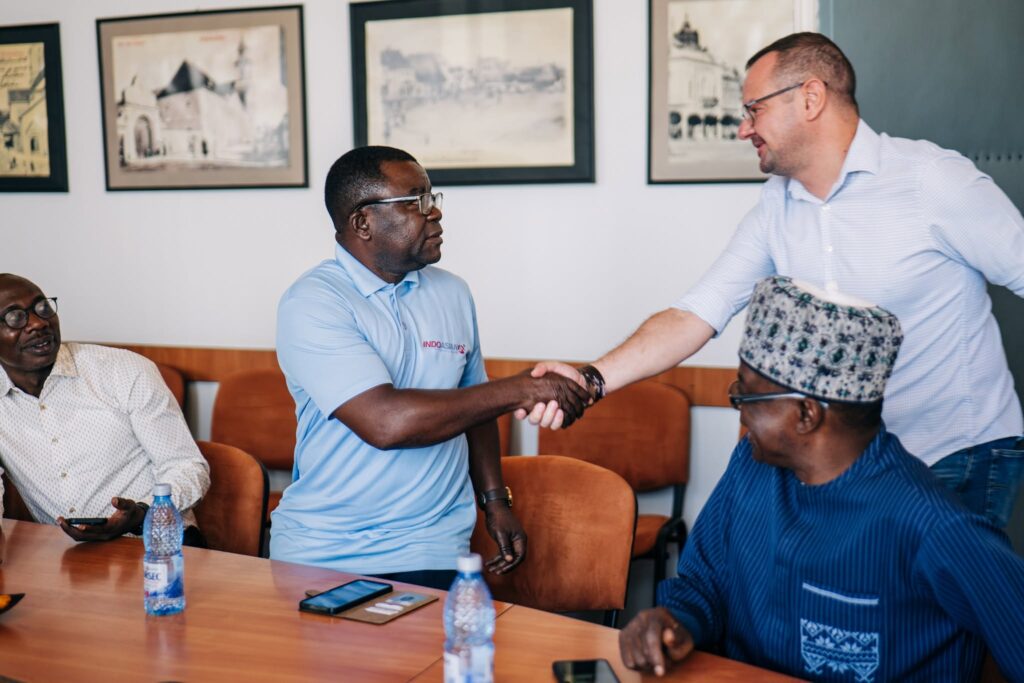
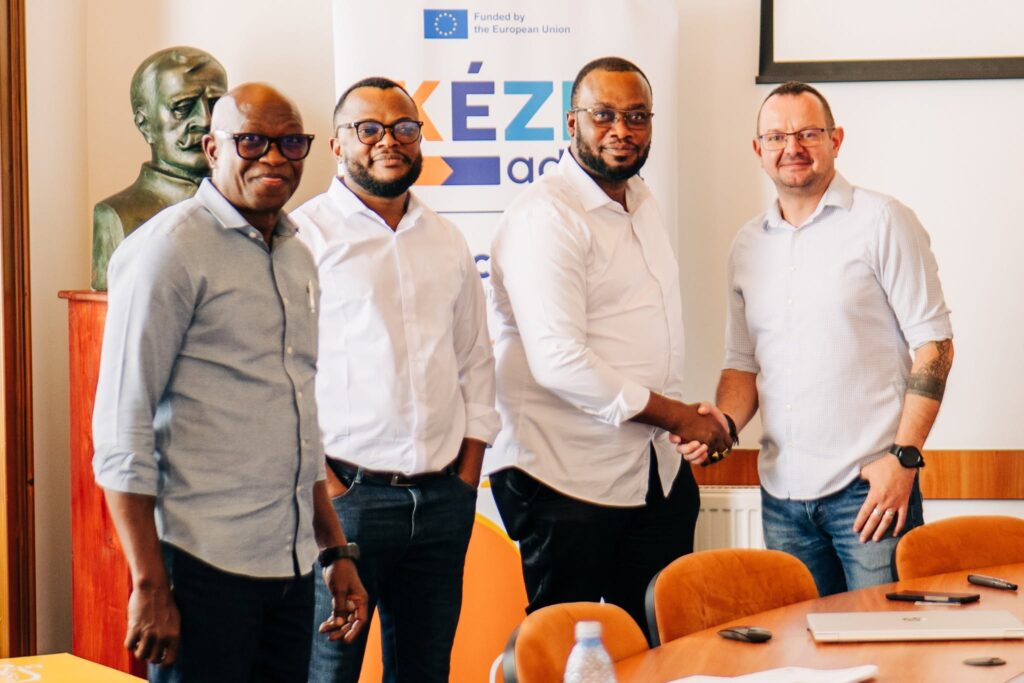
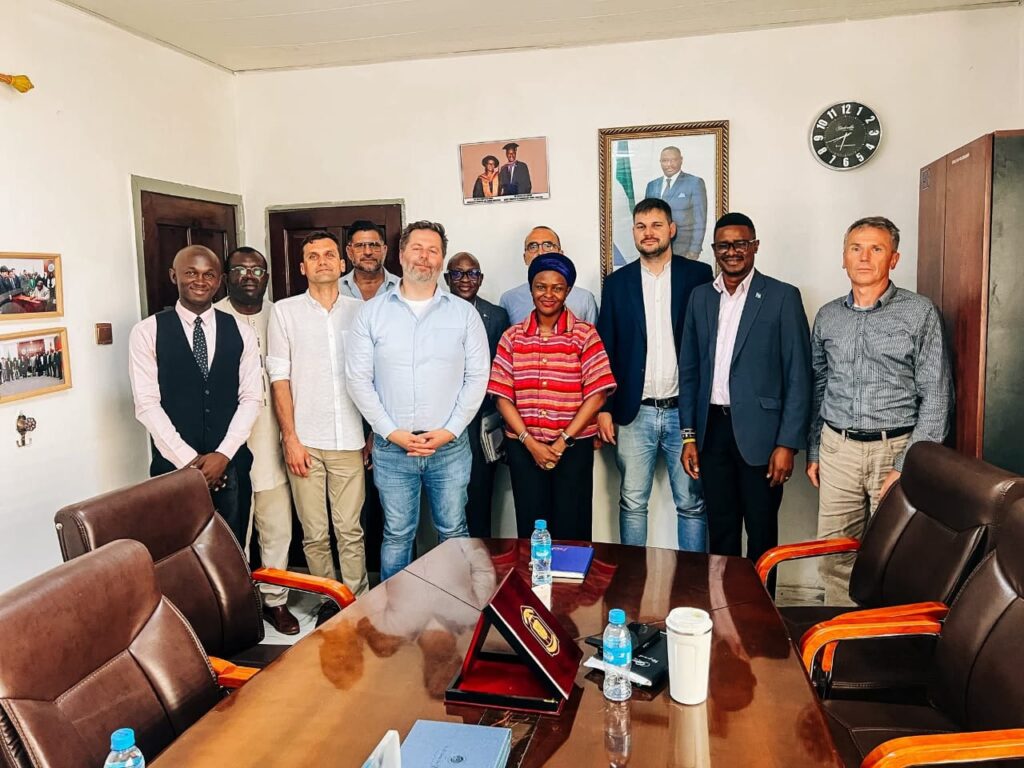
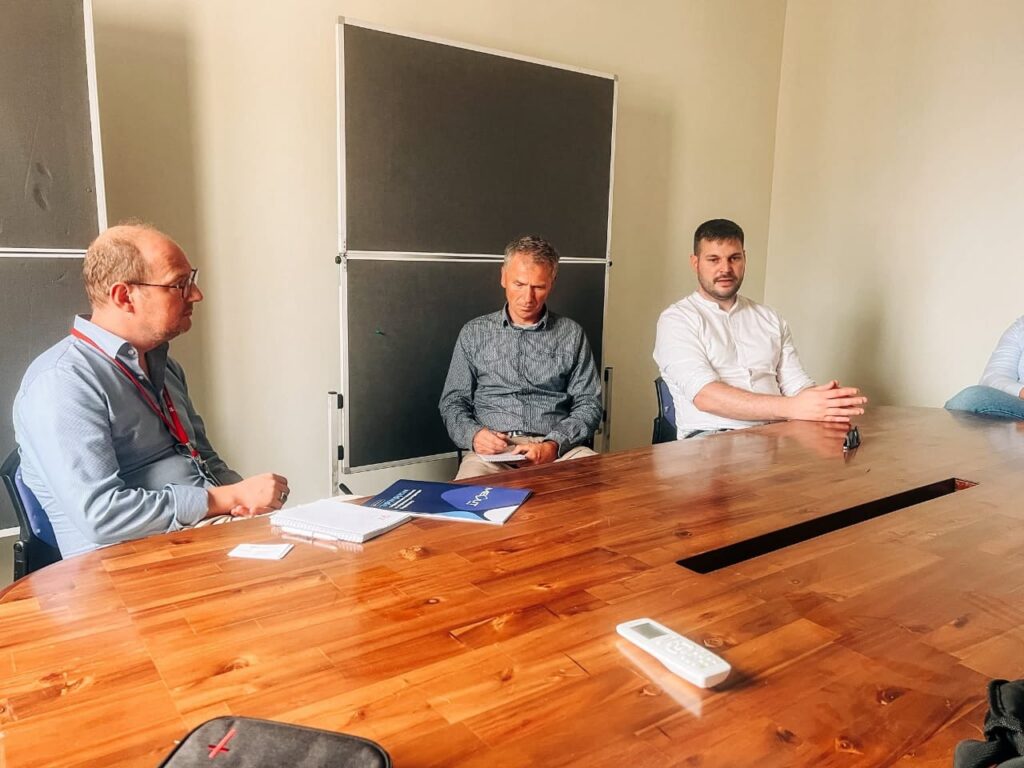
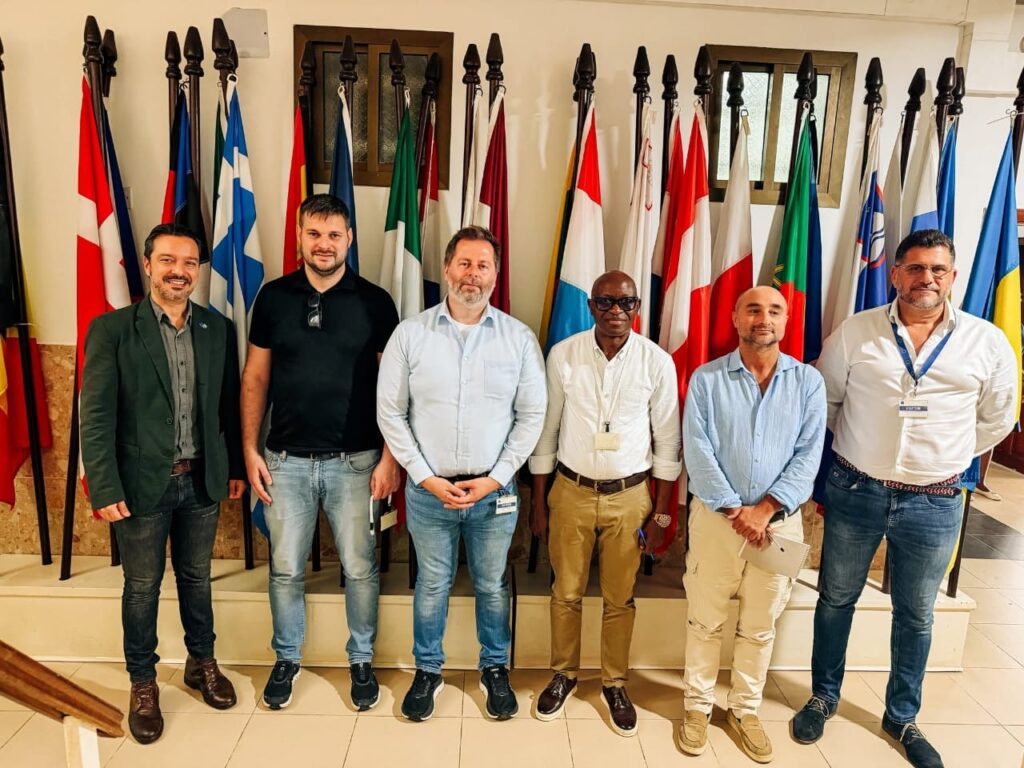
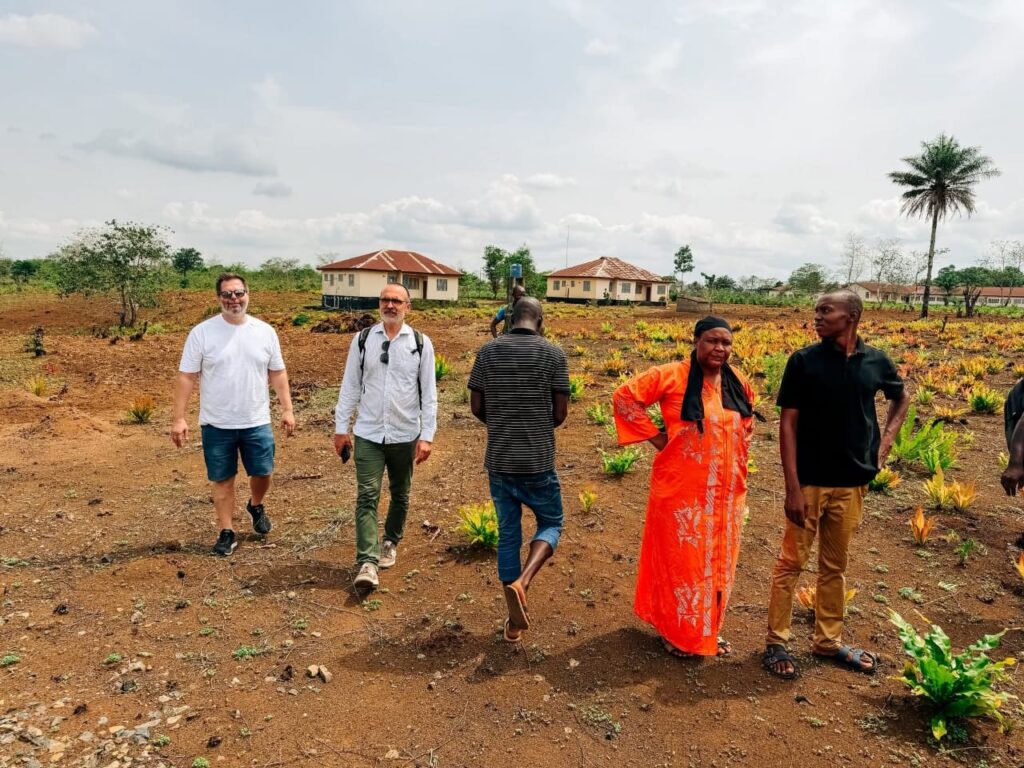
The Sierra Leone Chamber for Agribusiness Development (SLeCAD) continues to actively participate in the BIO-VET: Biodynamic Innovation in Agricultural Vocational Education and Training project, an international initiative bringing together institutions from Africa and Europe to strengthen agricultural vocational education, practical skills development and sustainable agricultural innovation.
Coordinated by MeOut Group, BIO-VET brings together partners from Sierra Leone, Ghana, Nigeria, Hungary and Romania. The project focuses on strengthening agricultural vocational education and training by introducing innovative, sustainable and practical approaches that respond to the changing needs of the agricultural sector.
SLeCAD is participating as the Sierra Leone partner, contributing to areas including agricultural skills development, entrepreneurship, market linkages, Agri-tech and innovation, industrial attachment and practical learning.
Continuing International Engagement
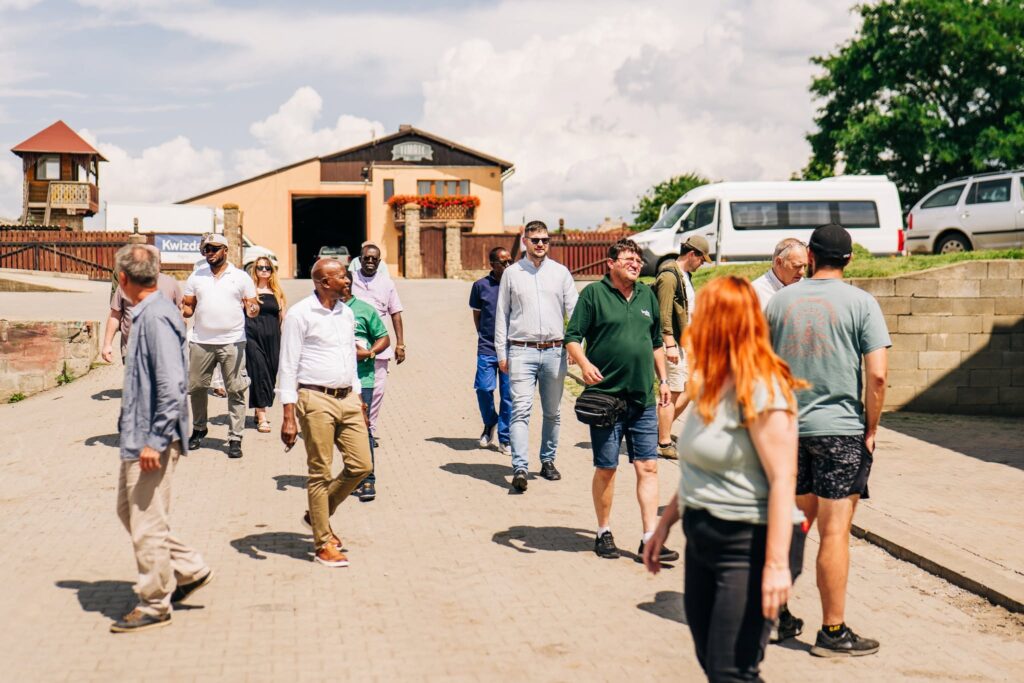
Following earlier project activities in Africa, the BIO-VET partnership continues to undertake engagements and knowledge-exchange activities across participating countries in Europe.
These activities provide opportunities for African and European partners to exchange experiences, explore different approaches to agricultural vocational education and examine practical models for sustainable agricultural learning.
The engagements are part of the wider BIO-VET implementation process and should be viewed as a continuation of the collaboration established among the participating institutions.
Through these activities, partners are strengthening relationships, sharing knowledge and contributing to the development of approaches that can improve the relevance of agricultural vocational education and training in the participating countries.
Connecting Agricultural Education with Practical Skills
A key focus of BIO-VET is ensuring that agricultural education is closely connected to practical skills and the needs of the agricultural sector.
For SLeCAD, this is particularly relevant to Sierra Leone, where strengthening the skills of young people, entrepreneurs and agricultural professionals is important for the continued development of the agribusiness sector.
The project provides an opportunity to explore how vocational education can better support practical agricultural competencies, entrepreneurship, innovation and stronger links between education and industry.
Learning Through African-European Cooperation
The international nature of BIO-VET creates opportunities for partners to learn from different agricultural and vocational education systems.
Engagements across the participating European countries allow African partners to gain exposure to different approaches to vocational training, agricultural learning, innovation and sustainable farming, while also creating opportunities to share African experiences and perspectives.
The project’s activities include international forums, study visits, training programme development, educator capacity building and practical learning activities.
This two-way exchange of knowledge is an important part of the project, as approaches and lessons can be considered in relation to the different agricultural, educational and economic contexts of the participating countries.
Supporting Sustainable Agricultural Development
BIO-VET places particular emphasis on biodynamic agriculture and sustainable approaches to agricultural production.
The project seeks to strengthen awareness and practical understanding of approaches that support soil health, biodiversity, sustainable farming and climate resilience.
For Sierra Leone, these areas are increasingly relevant as the agricultural sector responds to environmental pressures while seeking to improve productivity, livelihoods and long-term sustainability.
SLeCAD’s participation provides an opportunity to contribute to these discussions while exploring knowledge and practices that can be relevant to the country’s agricultural and vocational education environment.
Strengthening Partnerships for Sierra Leone’s Agricultural Sector
The BIO-VET partnership demonstrates the value of collaboration between private-sector organisations, vocational education institutions, government stakeholders and international partners.
Through its continued engagement with MeOut Group and the other BIO-VET partners, SLeCAD is contributing to a broader effort to strengthen agricultural skills development and promote innovation within the sector.
The Chamber remains committed to supporting initiatives that connect skills development with the needs of agribusinesses, farmers, entrepreneurs and the wider agricultural value chain.
Looking Ahead
SLeCAD will continue to participate in BIO-VET activities as the project progresses, working alongside MeOut Group and partner institutions from Sierra Leone, Ghana, Nigeria, Hungary and Romania.
The ongoing engagement provides opportunities for continued knowledge exchange, international cooperation and practical learning, while contributing to the broader objective of developing a more skilled, innovative and resilient agricultural workforce.
Through BIO-VET, SLeCAD continues to contribute to efforts aimed at strengthening agricultural vocational education and creating stronger pathways between education, skills development and opportunities within the agricultural sector.
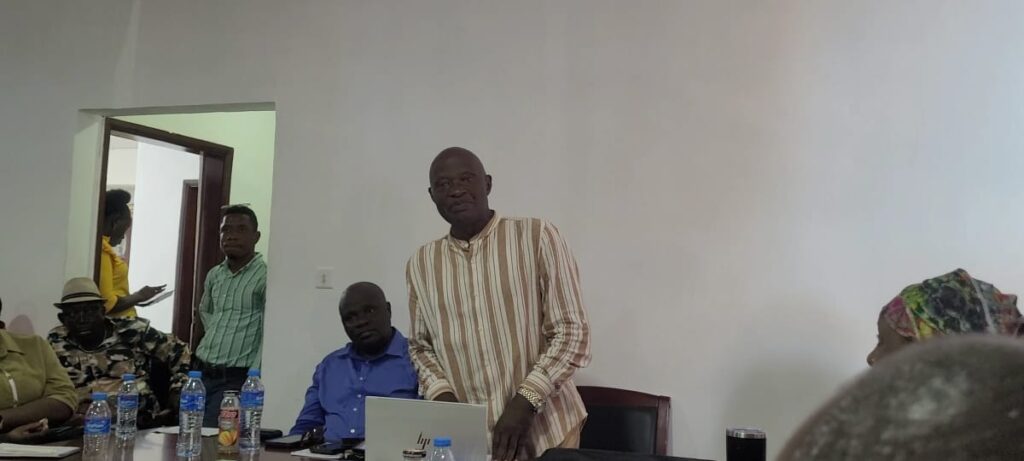
The Sierra Leone Chamber for Agribusiness Development (SLeCAD) participated in a national stakeholder engagement and consultative workshop focused on strengthening the development of a National Cashew Policy for Sierra Leone.
The engagement brought together stakeholders from across the cashew value chain to discuss the opportunities, challenges and policy priorities required to support the sustainable development of Sierra Leone’s cashew sector.
The consultation provided an important platform for stakeholders to share their experiences, identify key constraints affecting the sector and contribute recommendations that can inform the development of a comprehensive policy framework for cashew production, processing, marketing, trade and investment.
Strengthening the Cashew Value Chain
Cashew is an emerging agricultural value chain in Sierra Leone with significant potential to contribute to rural livelihoods, employment, food security, private-sector development and export growth.
However, the sector continues to face a number of challenges, including limited access to improved planting materials and inputs, production constraints, limited value addition and processing capacity, access to finance, market-related challenges, coordination among value-chain actors and gaps in policy and institutional support.
The development of a National Cashew Policy therefore presents an opportunity to establish a clearer and more coordinated framework for addressing these challenges while creating an enabling environment for investment and sustainable growth across the value chain.
Existing national policy work on cashew has similarly identified the need to strengthen production, research, value addition, trade, access to finance and organisation of the sector.
Stakeholder Consultation and Policy Dialogue
The engagement formed part of a broader consultative process aimed at ensuring that the perspectives of stakeholders within the cashew value chain are reflected in the policy development process.
Participants discussed issues affecting different stages of the value chain, from production and farmer organisation to aggregation, processing, marketing, trade and investment.
The consultation also provided an opportunity for stakeholders to consider the policy and institutional measures needed to create stronger linkages between farmers, processors, traders, exporters, financial institutions, government agencies, development partners and other private-sector actors.
For SLeCAD, participation in the process is consistent with the Chamber’s mandate to promote private-sector participation in agriculture and contribute to policy dialogue and advocacy on issues affecting agribusiness development in Sierra Leone.
Supporting Farmers and Agribusinesses
A strong national cashew policy should respond to the practical realities faced by farmers and businesses operating within the value chain.
Among the areas requiring continued attention are access to quality planting materials and agricultural inputs, extension and technical support, access to finance, improved production practices, post-harvest handling, processing and value addition, market access and reliable market information.
Strengthening these areas can help create better opportunities for smallholder farmers while also encouraging investment in processing, aggregation, trading and other businesses connected to the cashew value chain.
The policy process also provides an opportunity to consider the role of women and young people in the sector and how they can benefit from emerging opportunities in production, processing, entrepreneurship and agribusiness services.
Promoting Value Addition and Investment
Beyond increasing production, the development of the cashew sector will require greater attention to processing and value addition.
Strengthening domestic processing can create opportunities for employment, enterprise development and increased value retention within Sierra Leone.
A supportive policy environment can also help address some of the barriers faced by investors and businesses interested in participating in the cashew value chain.
This includes improving coordination among relevant institutions, strengthening market systems, supporting private-sector investment and creating conditions that encourage sustainable and commercially viable cashew enterprises.
The Role of Policy in Sector Development
A national policy provides an opportunity to establish clear priorities and strengthen coordination among the institutions and stakeholders responsible for developing the cashew sector.
The consultation process is therefore important in ensuring that policy priorities are informed by the experiences of farmers, processors, traders, investors, government institutions, development partners and other actors within the value chain.
SLeCAD’s participation also reflects the importance of ensuring that private-sector perspectives are incorporated into agricultural policy development.
As a private-sector-focused agribusiness organisation, SLeCAD remains committed to contributing to policy discussions that can improve the operating environment for agricultural enterprises and support inclusive growth across Sierra Leone’s agricultural value chains.
Looking Ahead
The stakeholder engagement represents an important step in the ongoing process of developing a National Cashew Policy for Sierra Leone.
SLeCAD will continue to support constructive dialogue among stakeholders and contribute private-sector perspectives to discussions aimed at strengthening the cashew value chain.
A well-coordinated policy framework, supported by effective implementation and collaboration among stakeholders, can help unlock greater opportunities for farmers, agribusinesses, processors, investors and other participants in Sierra Leone’s cashew sector.
SLeCAD remains committed to supporting policies and initiatives that promote sustainable agribusiness development, private-sector participation, investment, value addition and improved livelihoods across Sierra Leone.
The Sierra Leone Chamber for Agribusiness Development (SLeCAD) participated in the Baseline Report and Beneficiary Profiling Database Validation Workshop for the Cassava Value Chain Development Project held at Dohas Hotel in Bo District. The two-day engagement brought together representatives from government ministries and agencies, development partners, research institutions, standards and regulatory organisations, farmer groups, local councils, technical experts, and private sector stakeholders to review and validate baseline findings and beneficiary data that will guide implementation of the project. The workshop forms part of ongoing preparations for the implementation of a major cassava value chain investment initiative designed to strengthen agricultural productivity, improve livelihoods, enhance food security, promote climate resilience, and stimulate private sector growth.
Regional Initiative with National Impact
Presentations delivered during the workshop revealed that the project forms part of a broader regional Roots and Tubers Value Chain Development Programme involving several African countries, including Sierra Leone, Nigeria, Benin, Burkina Faso, and Togo. The initiative seeks to address key development challenges through strategic investments in agricultural commercialisation, value addition, market development, and employment creation. For Sierra Leone, cassava was identified as a strategic commodity due to its resilience, adaptability, and multiple economic uses. Stakeholders noted that cassava provides opportunities not only through its roots but also through its stems and leaves, creating additional income streams for producers and processors.
Key Project Components
Workshop discussions highlighted several major intervention areas, including:
Expansion of cassava production through improved planting materials.
Establishment of foundation seed multiplication systems.
Farmer capacity development and technical support.
Mechanisation services for cassava production.
Development of modern processing facilities.
Infrastructure support, including access roads.
Promotion of value-added cassava products.
Market access and commercialisation strategies.
Integration with food security and nutrition initiatives.
The project is expected to directly engage approximately 40,000 farmers across seven districts: Bo, Bonthe, Pujehun, Moyamba, Bombali, Kenema, and Tonkolili. Additionally, the intervention seeks to improve the livelihoods of approximately 30,000 households while creating employment opportunities across production, processing, transportation, logistics, marketing, and related services.
SLeCAD’s Contribution
As the leading voice of agribusiness and private sector development within the agricultural sector, SLeCAD actively contributed to discussions throughout the workshop. The Chamber emphasised the importance of ensuring that private sector institutions, agribusiness enterprises, processors, traders, logistics providers, investors, and business support organisations are fully integrated into project implementation. SLeCAD also highlighted the need to strengthen linkages between smallholder producers, existing agro-processors, and the modern processing facilities proposed under the project to ensure that benefits are distributed broadly throughout the value chain. Project representatives acknowledged the importance of continued stakeholder engagement and reaffirmed that private sector actors will remain important partners throughout implementation.
Looking Ahead
The workshop concluded with stakeholder validation of key project findings and renewed commitment toward successful implementation. For SLeCAD, the engagement reinforced the importance of proactive private sector participation in large-scale agricultural investments. The Chamber remains committed to working with government, development partners, research institutions, and private sector actors to ensure that emerging opportunities contribute to sustainable business growth, employment creation, food security, and economic development. As implementation progresses, SLeCAD will continue to engage stakeholders, share information with members, and advocate for inclusive approaches that support the growth and competitiveness of Sierra Leone’s agribusiness sector.
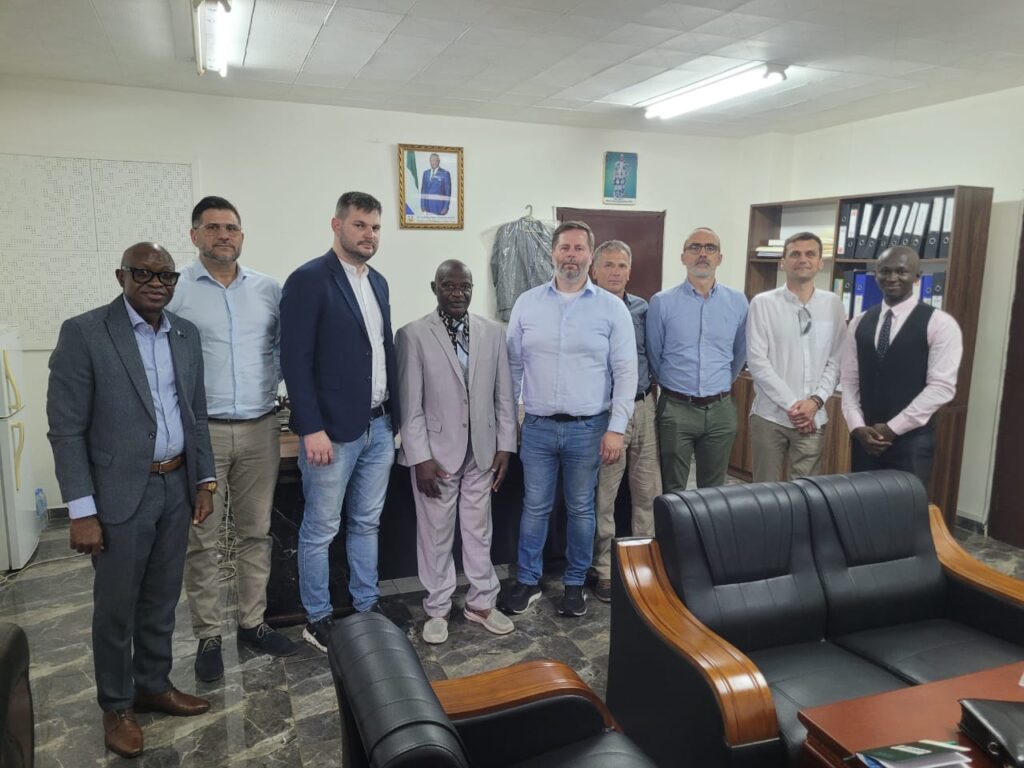
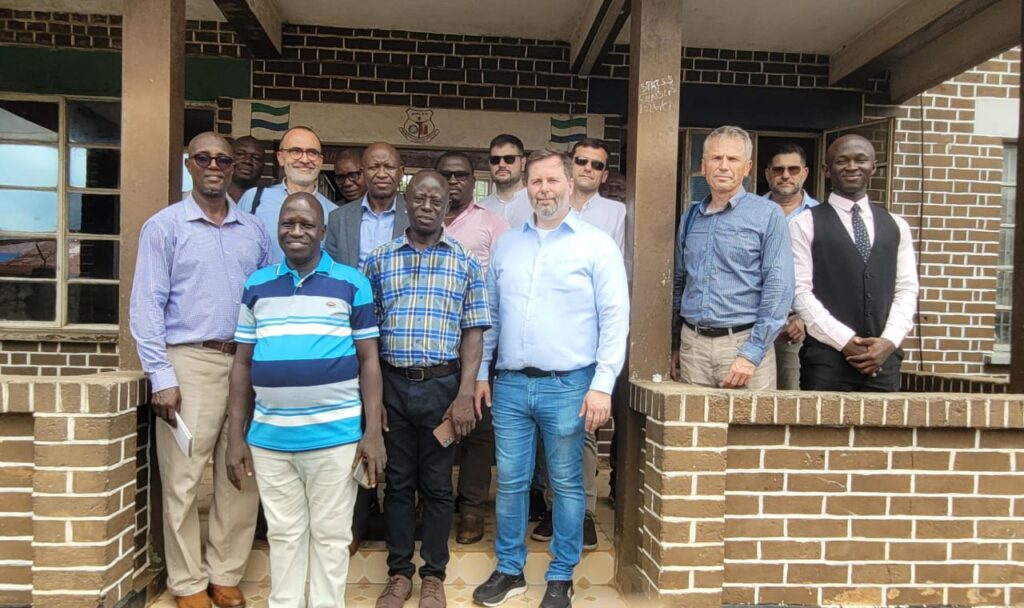
The Sierra Leone Chamber for Agribusiness Development (SLeCAD), in collaboration with European partners under the BIO-VET Project, recently hosted a high-level fact-finding mission aimed at exploring opportunities for cooperation in vocational education, agricultural innovation, entrepreneurship, and skills development in Sierra Leone. The mission brought together a delegation of European experts representing institutions involved in education, innovation, agriculture, and entrepreneurship. The visit formed part of broader efforts to strengthen collaboration between European and African institutions while identifying practical pathways for supporting workforce development, youth employment, agribusiness growth, and sustainable economic transformation.
1st June (Day One)
Engagement with the Ministry of Agriculture and Food Security
One of the mission’s key engagements was a strategic meeting with officials of the Ministry of Agriculture and Food Security. Discussions focused on Sierra Leone’s agricultural transformation agenda, opportunities within agricultural value chains, agribusiness development, youth participation in agriculture, and the critical role of skills development in improving productivity and competitiveness. The Ministry emphasized the importance of strengthening partnerships that promote innovation, modern agricultural practices, value addition, and workforce readiness. Participants also explored opportunities for aligning vocational education and training programmes with the needs of the agricultural sector to support long-term economic growth and food security. The engagement highlighted agriculture’s central role in Sierra Leone’s development agenda and reinforced the need for stronger collaboration between policymakers, educational institutions, development partners, and the private sector.
Visit to Milton Margai Technical University
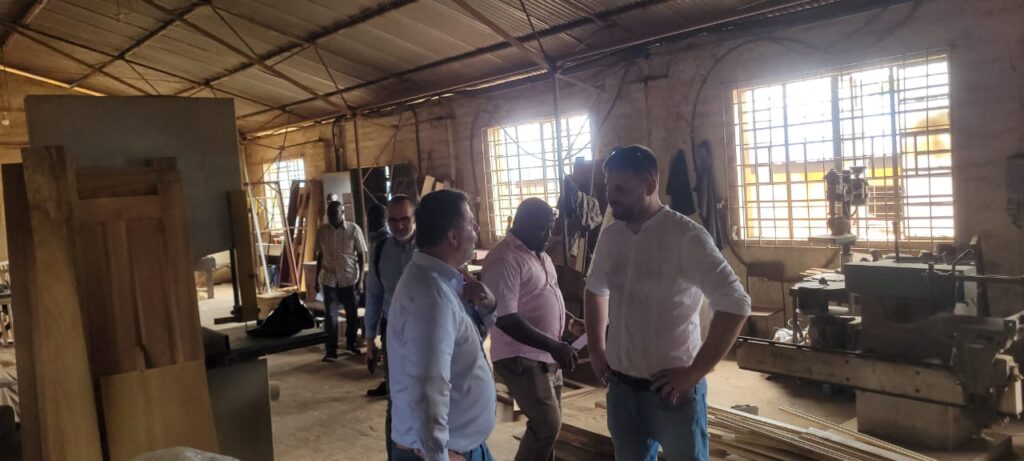
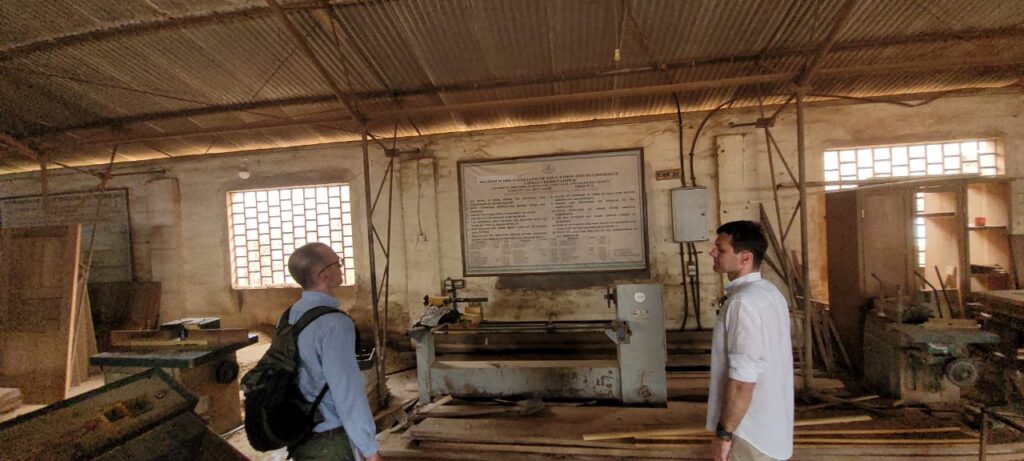
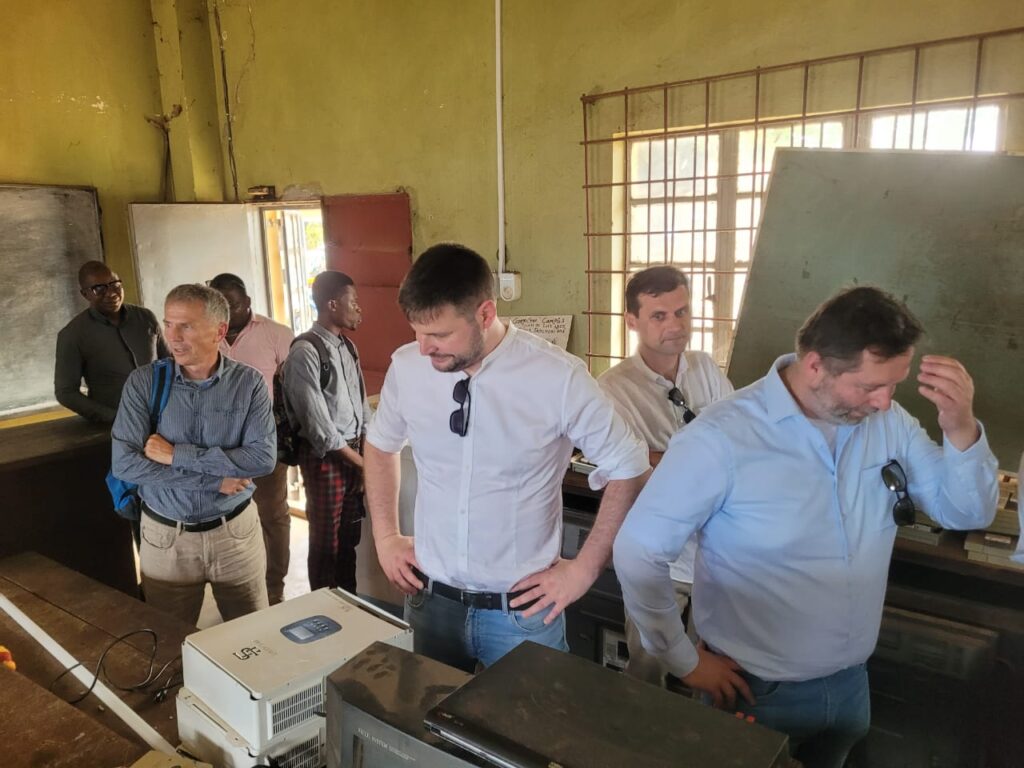
The delegation also visited Milton Margai Technical University, where they toured training workshops and interacted with faculty members, instructors, and students. The visit provided firsthand insight into the university’s practical approach to Technical and Vocational Education and Training (TVET). Delegates observed training activities, explored workshop facilities, and discussed strategies for enhancing skills development, innovation, and entrepreneurship.
Touring the practical training facilities at Milton Margai Technical Univerisity as part of the BIO-VET fact-finding mission
Faculty members explained the institution’s commitment to competency-based learning and highlighted the importance of practical training in preparing students for employment and self-employment opportunities. Discussions also explored opportunities for international partnerships, curriculum enhancement, faculty exchanges, and stronger collaboration between educational institutions and industry. The visit reinforced the importance of practical, hands-on learning in equipping young people with the skills needed to succeed in an increasingly competitive labour market.
Stragegic Dialogue with the Ministry of Technical and Higher Education
A major highlight of the mission was a high-level engagement with the Ministry of Technical and Higher Education led by Honourable Dr. Haja Ramatulai Wurie and senior ministry officials. The meeting focused on the future of technical and higher education in Sierra Leone, with discussions centred on curriculum modernization, workforce development, entrepreneurship, innovation, and strengthening institutional partnerships. Ministry officials outlined ongoing efforts to transform technical education through the Community Technical College model, which seeks to align training programmes with local economic activities and labour market demands. Agriculture, renewable energy, ICT, entrepreneurship, and other priority sectors were highlighted as areas where technical education can contribute significantly to national development. The Ministry further emphasized the importance of industry participation in curriculum development and skills training to ensure that graduates possess competencies relevant to current and future labour market needs. European partners shared experiences from successful entrepreneurship programmes implemented across universities in Europe, highlighting approaches that help students develop business ideas, strengthen entrepreneurial skills, and create pathways for innovation and job creation.
Meeting with GIZ
The delegation further engaged representatives of GIZ in discussions focused on skills development, youth employment, entrepreneurship, and institutional strengthening. Participants exchanged perspectives on current challenges and opportunities within the skills development ecosystem and explored areas for potential collaboration. The discussions underscored the importance of partnerships in creating sustainable opportunities for young people and strengthening systems that support workforce readiness and economic participation. The engagement highlighted the shared commitment among stakeholders to promoting inclusive growth, innovation, and long-term development
2nd June (Day Two)
Engagement with the European Union Delegation
The BIO-VET delegation also met with representatives of the European Union Delegation in Sierra Leone. The engagement provided an opportunity to discuss international cooperation, education partnerships, innovation ecosystems, skills development, and opportunities for future collaboration. Discussions explored how partnerships between European and Sierra Leonean institutions can contribute to sustainable development, capacity building, and economic transformation. The meeting reinforced the value of international cooperation in supporting education, innovation, entrepreneurship, and workforce development initiatives.
Provincial Engagements and Field Visits
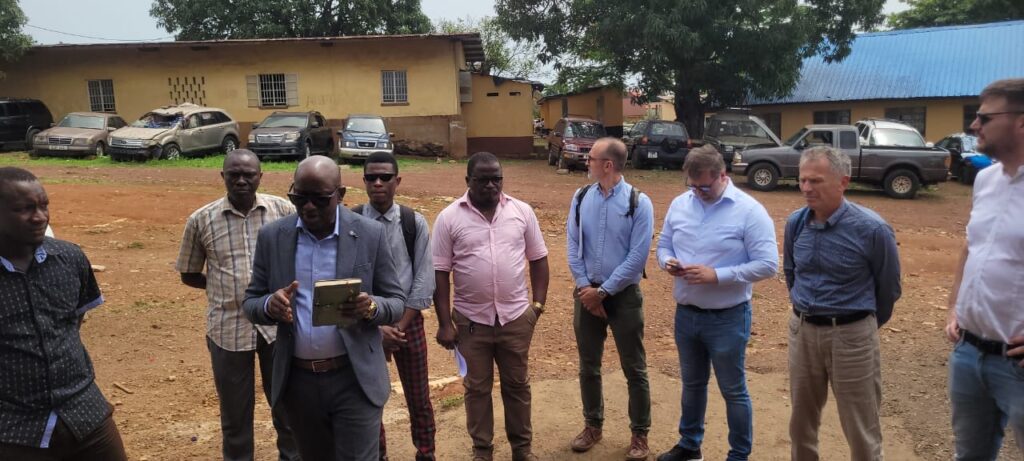
Beyond Freetown, the delegation travelled to Kambia District and other locations to engage local stakeholders and gain firsthand insights into community realities. These field visits provided valuable opportunities to assess local training needs, understand workforce challenges, identify development opportunities, and explore practical ways of strengthening vocational education and agricultural development at the community level. The provincial engagements ensured that perspectives from both urban and rural communities informed discussions and future recommendations.
Key Outcomes of the Mission
Throughout the mission, several important themes emerged:
The need to strengthen links between education and labour market demands.
The importance of practical and competency-based learning approaches.
The growing relevance of entrepreneurship education and innovation.
Opportunities for strengthening agricultural value chains through skills development.
The importance of partnerships between government, academia, development partners, and the private sector.
The potential for international collaboration in curriculum development, capacity building, and knowledge exchange.
Looking Ahead
The BIO-VET mission successfully established new relationships and strengthened existing partnerships among stakeholders committed to advancing skills development, agricultural innovation, entrepreneurship, and youth empowerment in Sierra Leone. SLeCAD remains committed to supporting initiatives that promote inclusive economic growth, strengthen human capital development, and create opportunities for young people across the country. As discussions continue and partnerships evolve, the insights gathered during this mission will contribute to future collaboration efforts aimed at building a more innovative, skilled, and competitive workforce capable of supporting Sierra Leone’s long-term development aspirations. The mission may have concluded, but the journey toward stronger partnerships, enhanced skills development, and sustainable economic transformation continues.
The Sierra Leone Chamber for Agribusiness Development (SLeCAD) on Tuesday, 26th May 2026, hosted a high-level Agribusiness Private Sector Engagement Meeting with officials from the Ministry of Agriculture and Food Security at the SLeCAD Conference Hall,Beach Road, Lumley, Freetown.
The strategic engagement brought together Government representatives, farmers, agribusiness entrepreneurs, financial institutions, cooperatives, development partners, investors, and private sector stakeholders to discuss practical solutions aimed at strengthening food production, improving agricultural financing, promoting agro-industrialization, and expanding private sector participation within Sierra Leone’s agricultural sector.
The engagement formed part of SLeCAD’s broader mission to support the Government’s Feed Salone initiative while promoting sustainable agricultural transformation and investment opportunities across Sierra Leone.
Speaking during the forum, the Executive Secretary of SLeCAD, Mr. Ahmed Nanoh, emphasized the critical role of the private sector in transforming agriculture into a commercially driven sector capable of creating employment opportunities, increasing food production, and supporting national economic growth.
According to Mr. Nanoh, SLeCAD was established to promote private sector participation in agriculture while connecting local agribusinesses with investors, development partners, buyers, and international market opportunities.
He disclosed that since 2008, the Chamber has worked with farmers, Government institutions, financial institutions, and development organizations to strengthen agricultural value chains and support agribusiness development despite operating under limited resources.
Mr. Nanoh further stressed the need for Sierra Leone to move beyond subsistence farming and position itself as a competitive agribusiness destination capable of attracting local and international investment.
He highlighted successful agricultural models in countries such as Nigeria, Ghana, and Kenya where agribusiness companies support farmers through financing arrangements, contract farming systems, and guaranteed markets for agricultural produce.
The Deputy Minister II of Agriculture and Food Security reaffirmed Government’s commitment to working closely with the private sector in achieving the objectives of the Feed Salone initiative.
He emphasized that Government alone cannot achieve national food security goals without strong collaboration from private sector institutions, financial partners, development organizations, and agribusiness stakeholders.
The Deputy Minister disclosed that the Ministry is currently working with banks, insurance companies, and development institutions to improve agricultural financing and insurance protection for farmers against climate-related losses and production risks.
He encouraged Sierra Leoneans, particularly young people, to embrace agriculture as a business opportunity capable of driving economic empowerment and reducing dependence on imported food commodities.
The engagement also addressed several challenges affecting agricultural productivity and agribusiness growth in Sierra Leone including limited access to finance, poor road infrastructure, inadequate processing facilities, limited mechanization, storage challenges, climate-related farming risks, and weak market access opportunities.
Stakeholders emphasized the need for increased investment in agro-processing, commercialization, packaging, mechanization, storage facilities, transportation infrastructure, and export readiness under the African Continental Free Trade Area (AfCFTA).
The meeting concluded with renewed commitments from Government officials, private sector stakeholders, development partners, and agribusiness actors to strengthen collaboration toward improving food security, supporting local farmers, increasing agricultural productivity, and advancing sustainable economic growth through agriculture.
SLeCAD continues to position itself as a strategic platform connecting farmers, investors, agribusinesses, financial institutions, development partners, and Government stakeholders in advancing agricultural transformation and private sector development in Sierra Leone.
📌 Watch the full engagement video on our YouTube channel
📌 Follow SLeCAD on Facebook, LinkedIn, X, Instagram, and YouTube for more agribusiness updates and opportunities.